

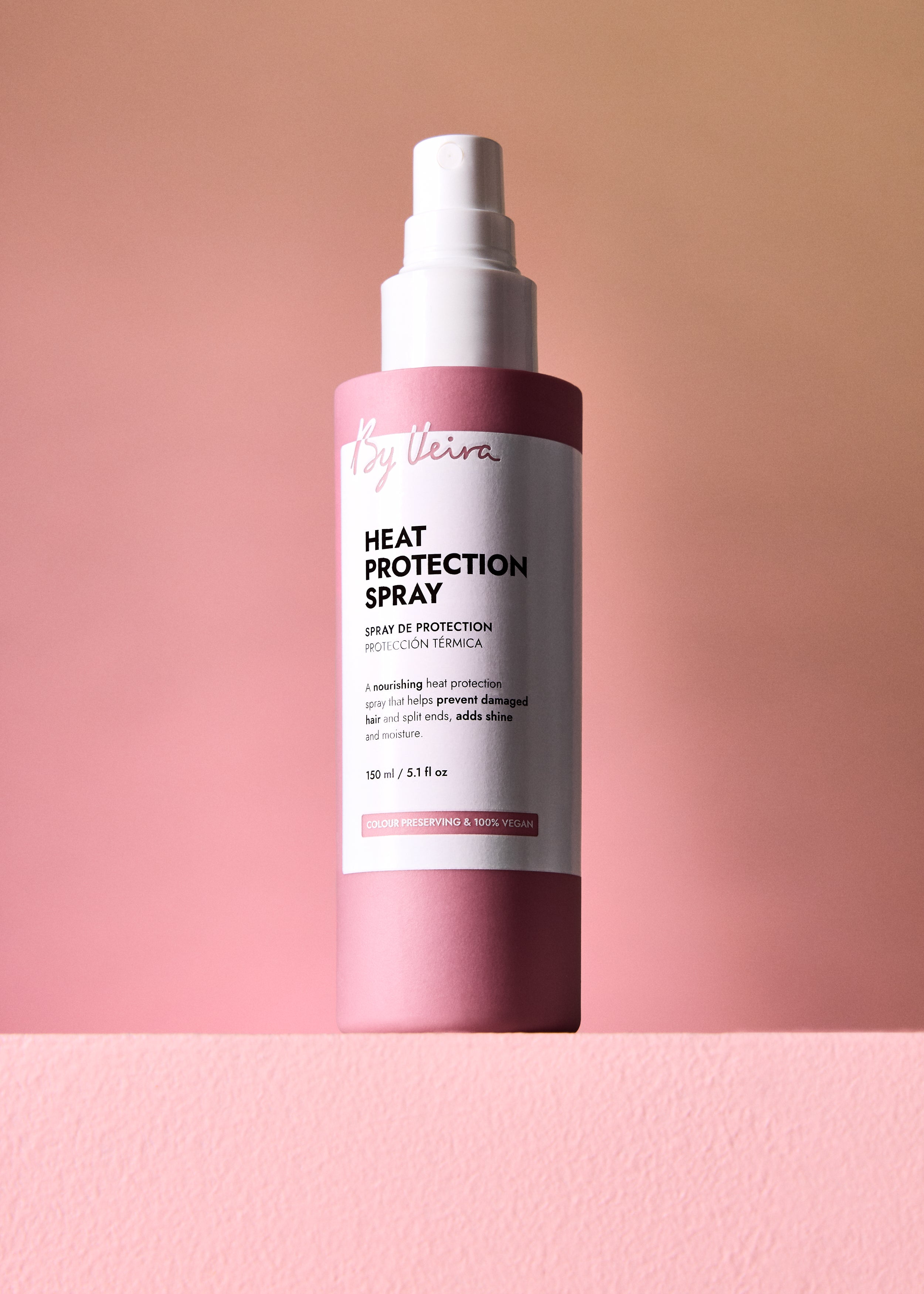
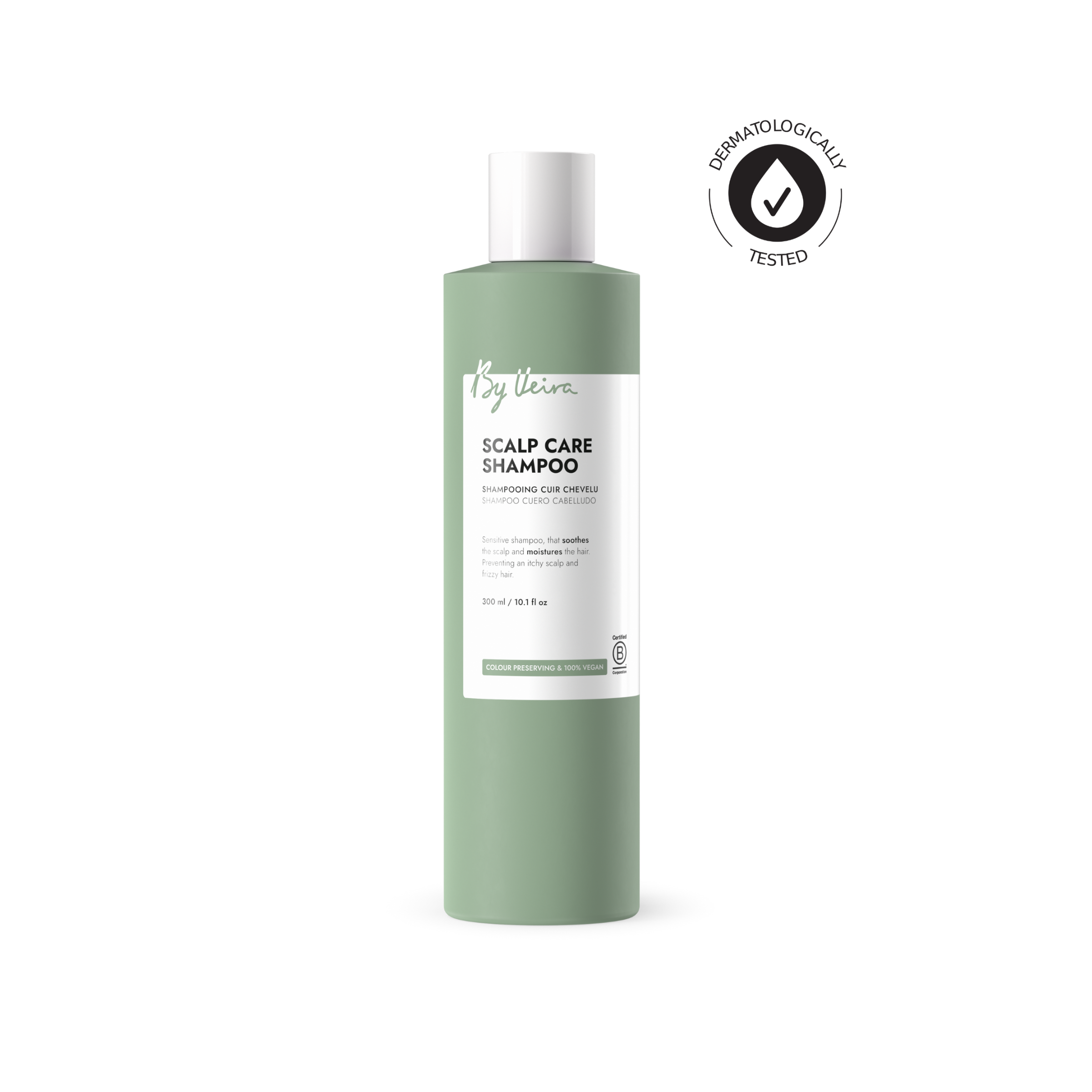
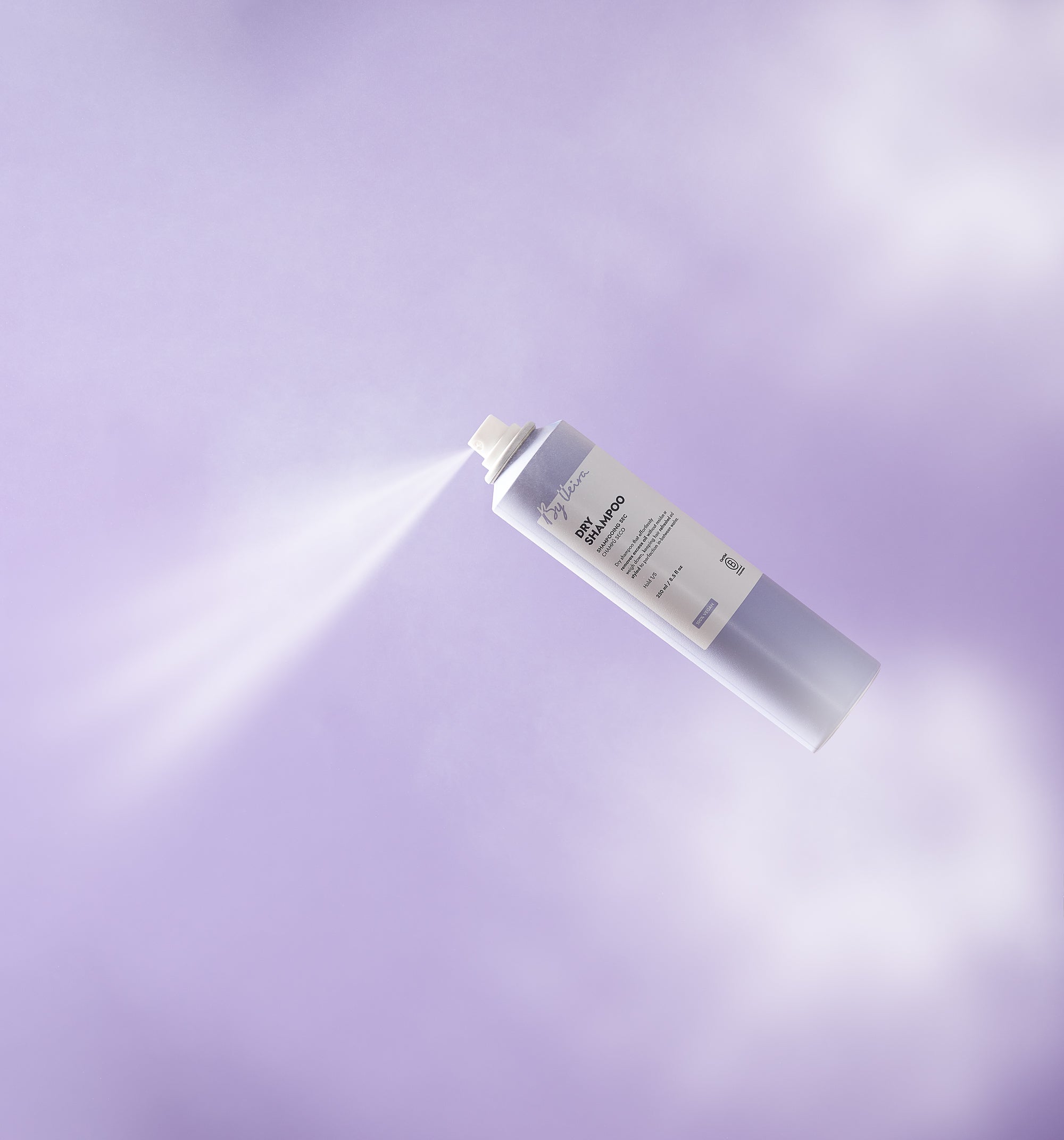
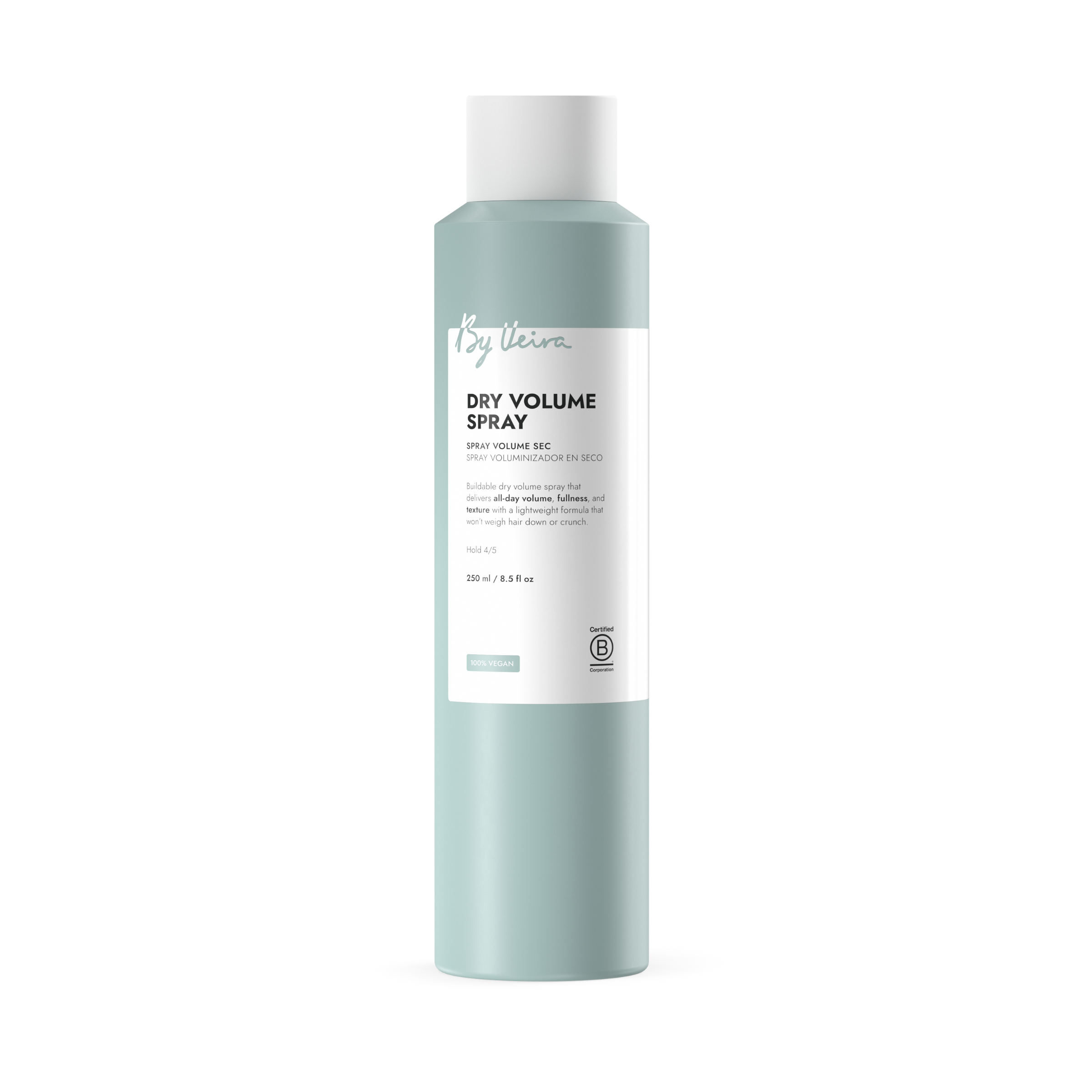
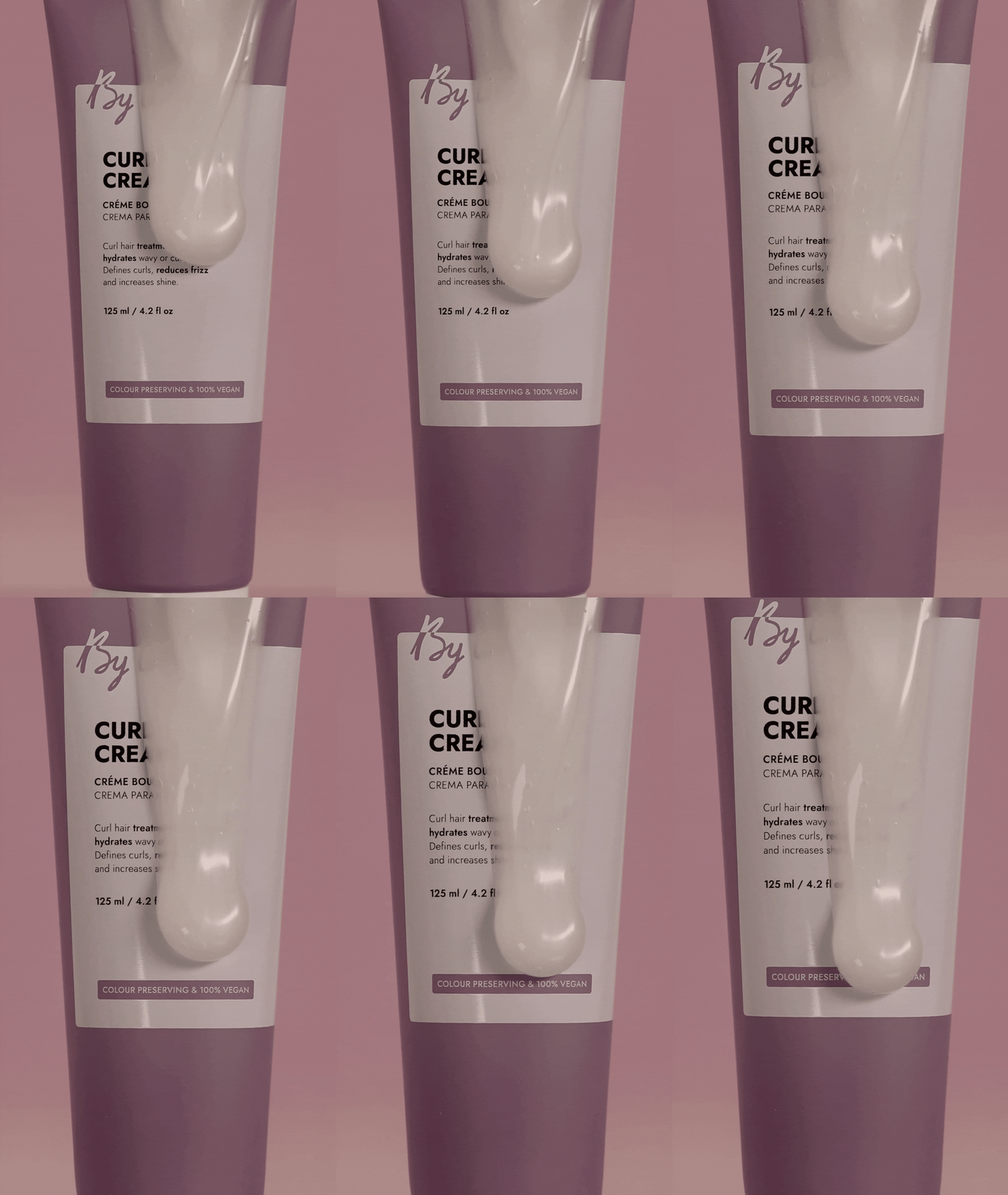
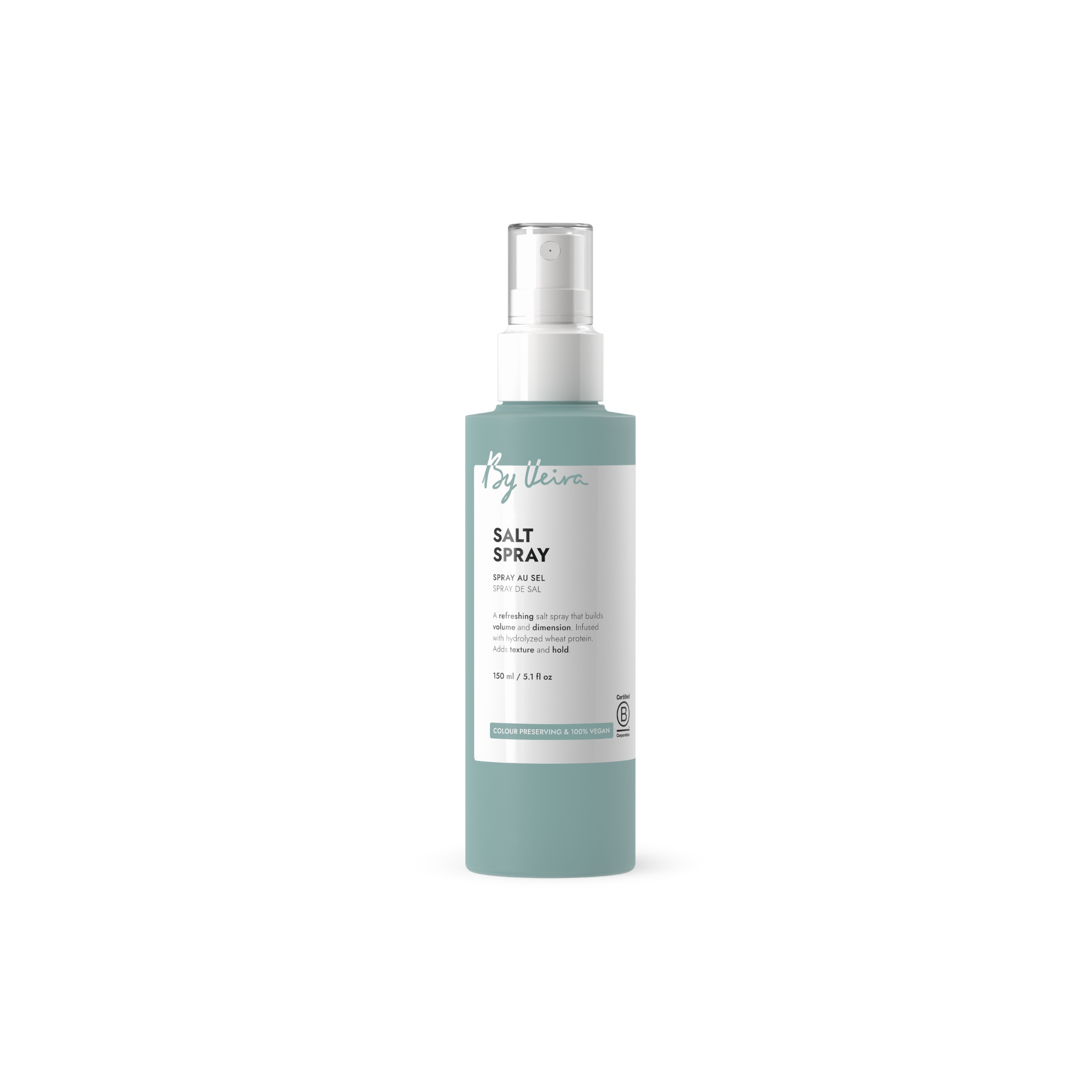
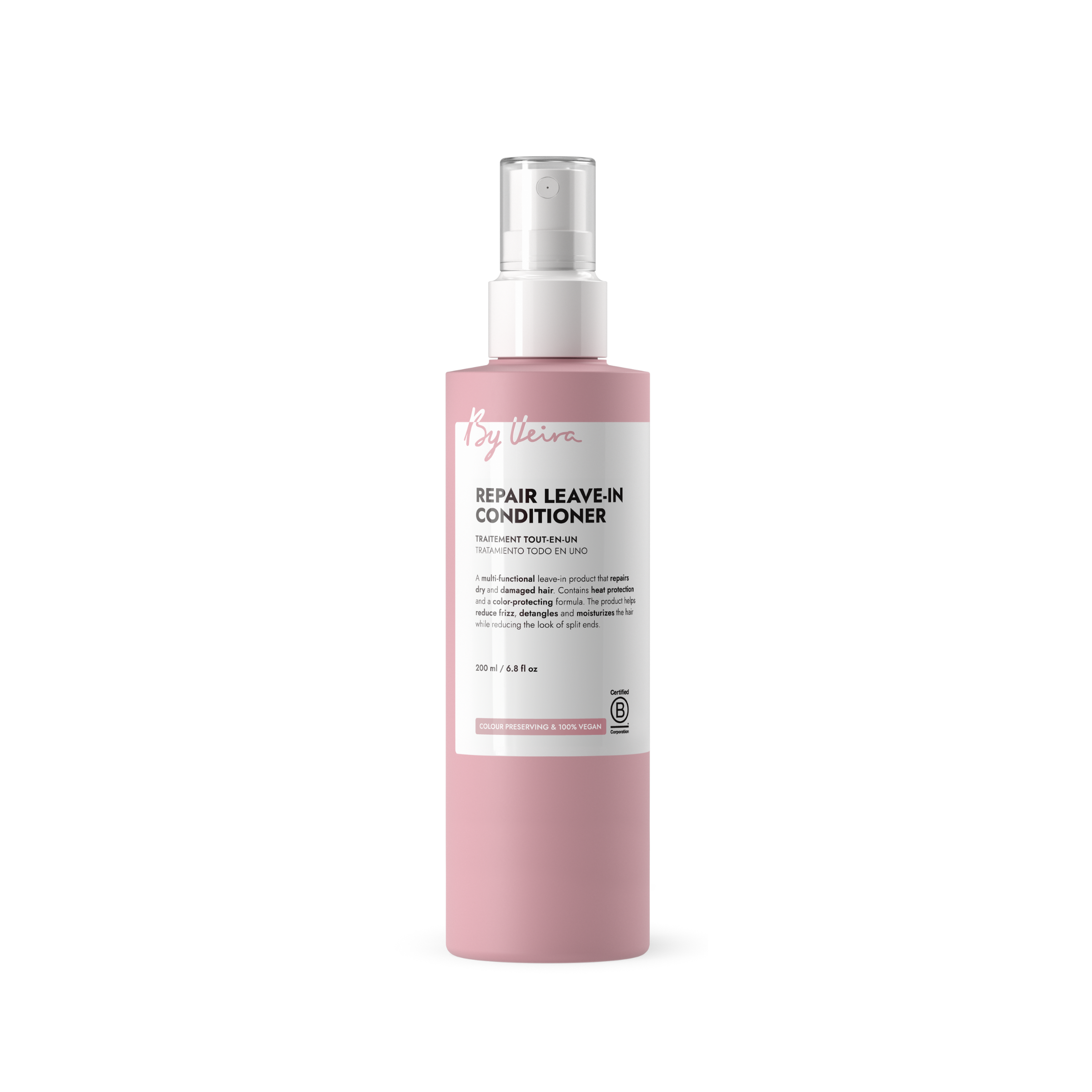
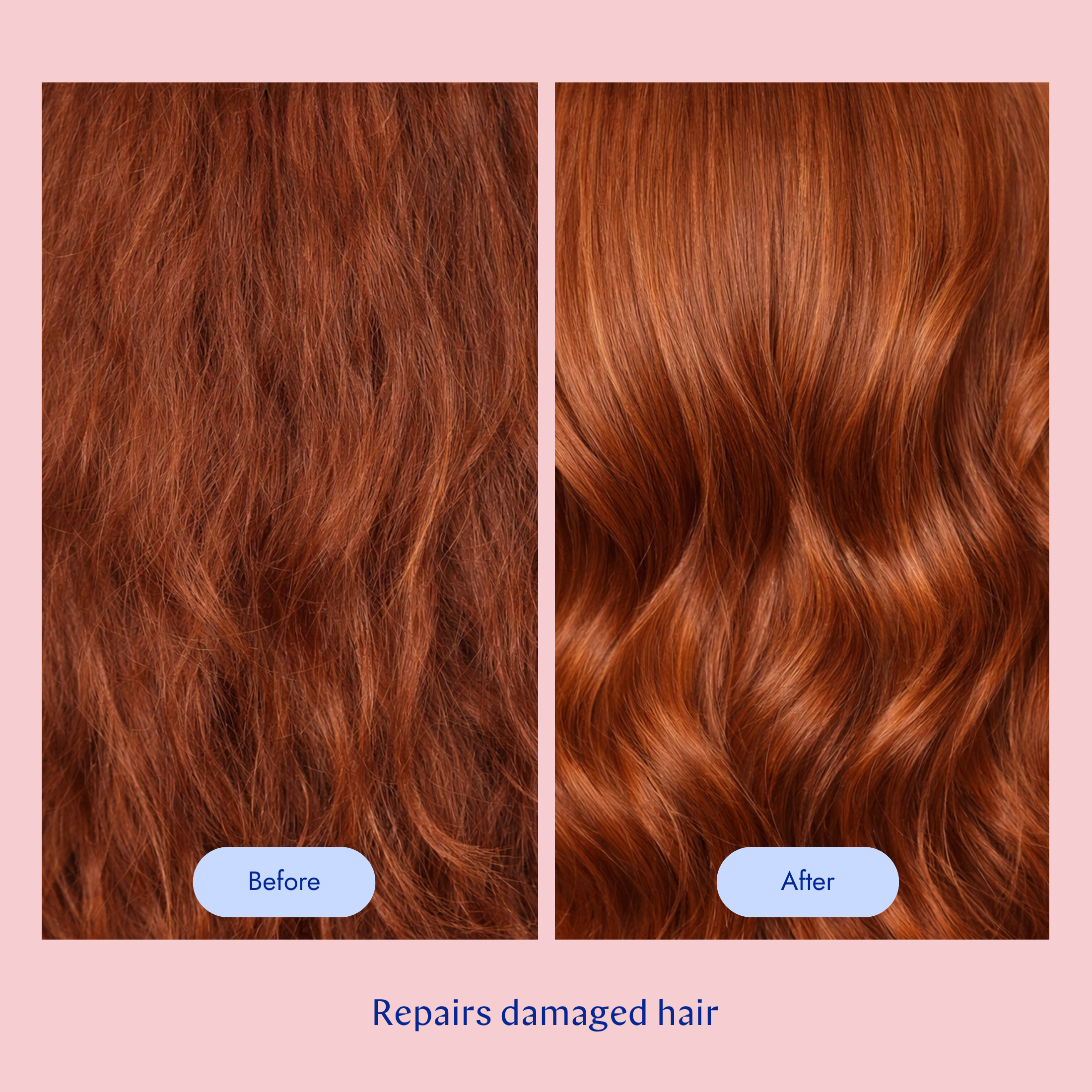
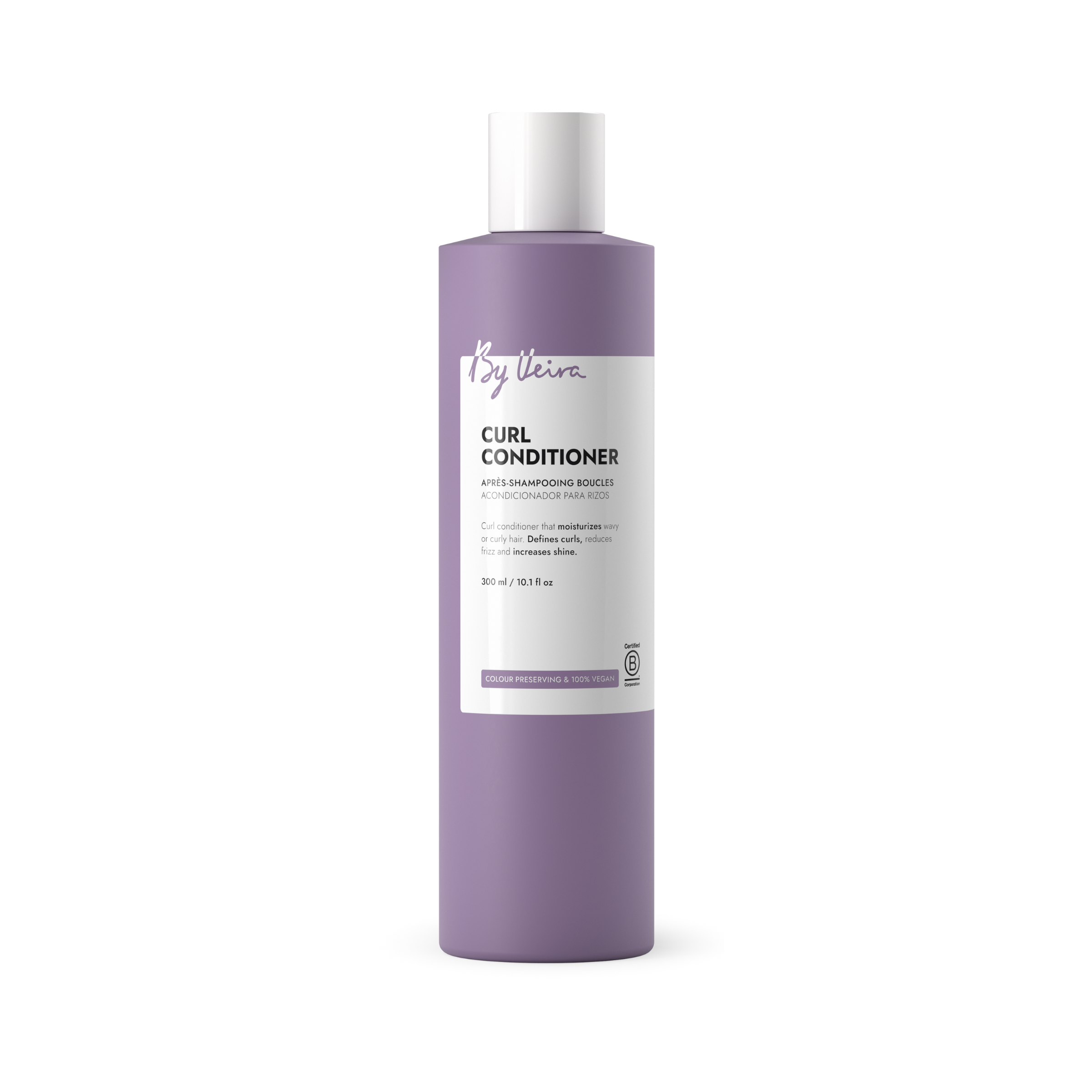
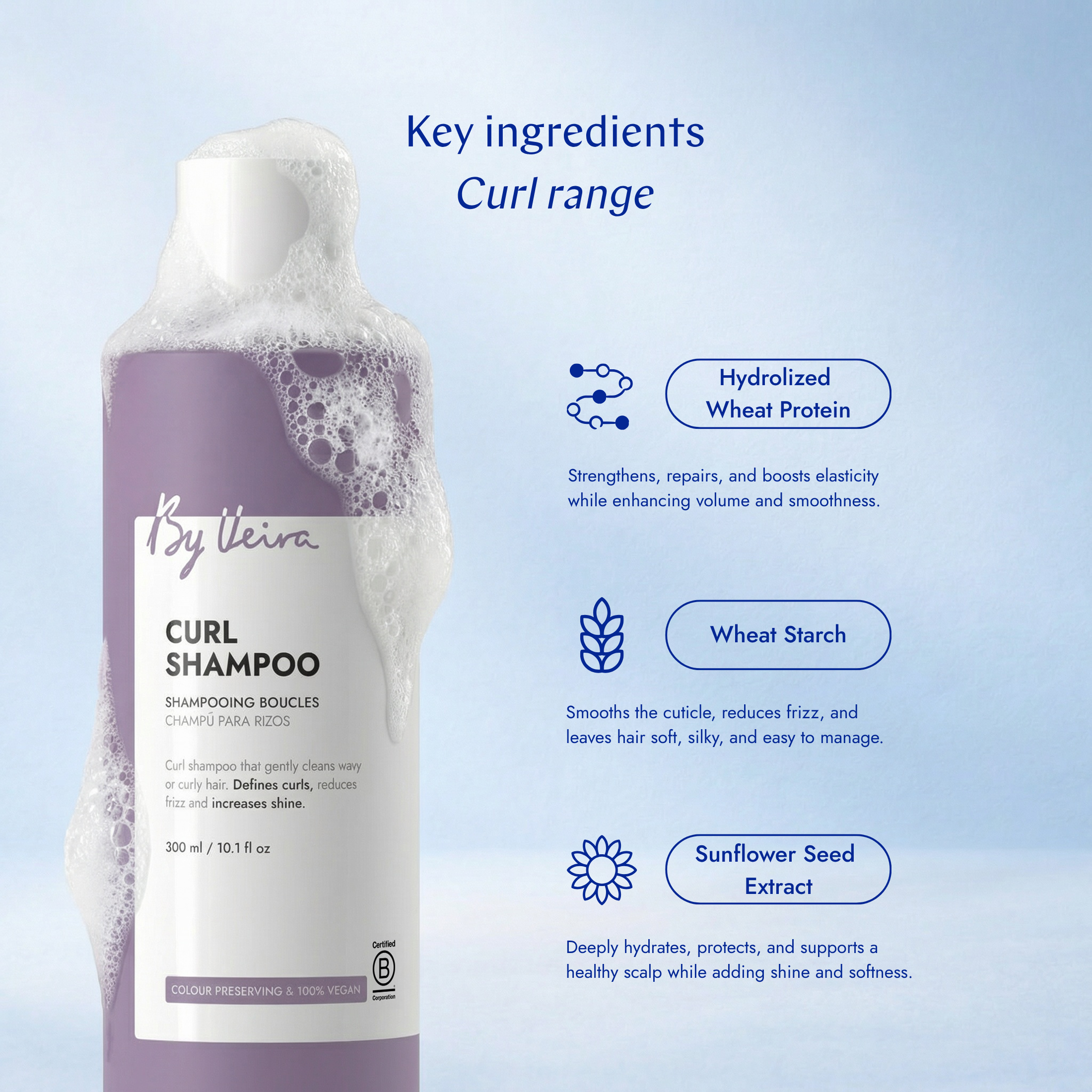
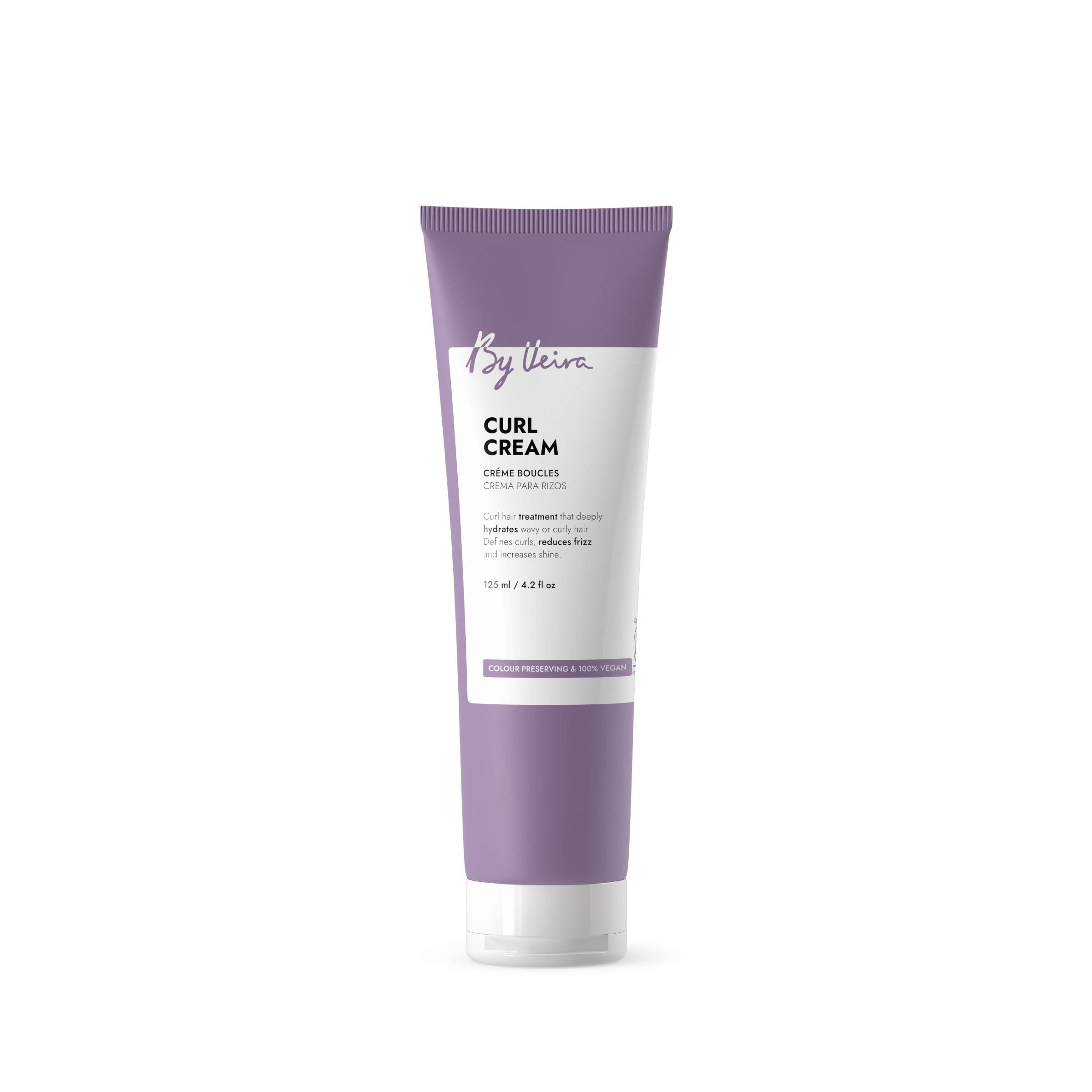
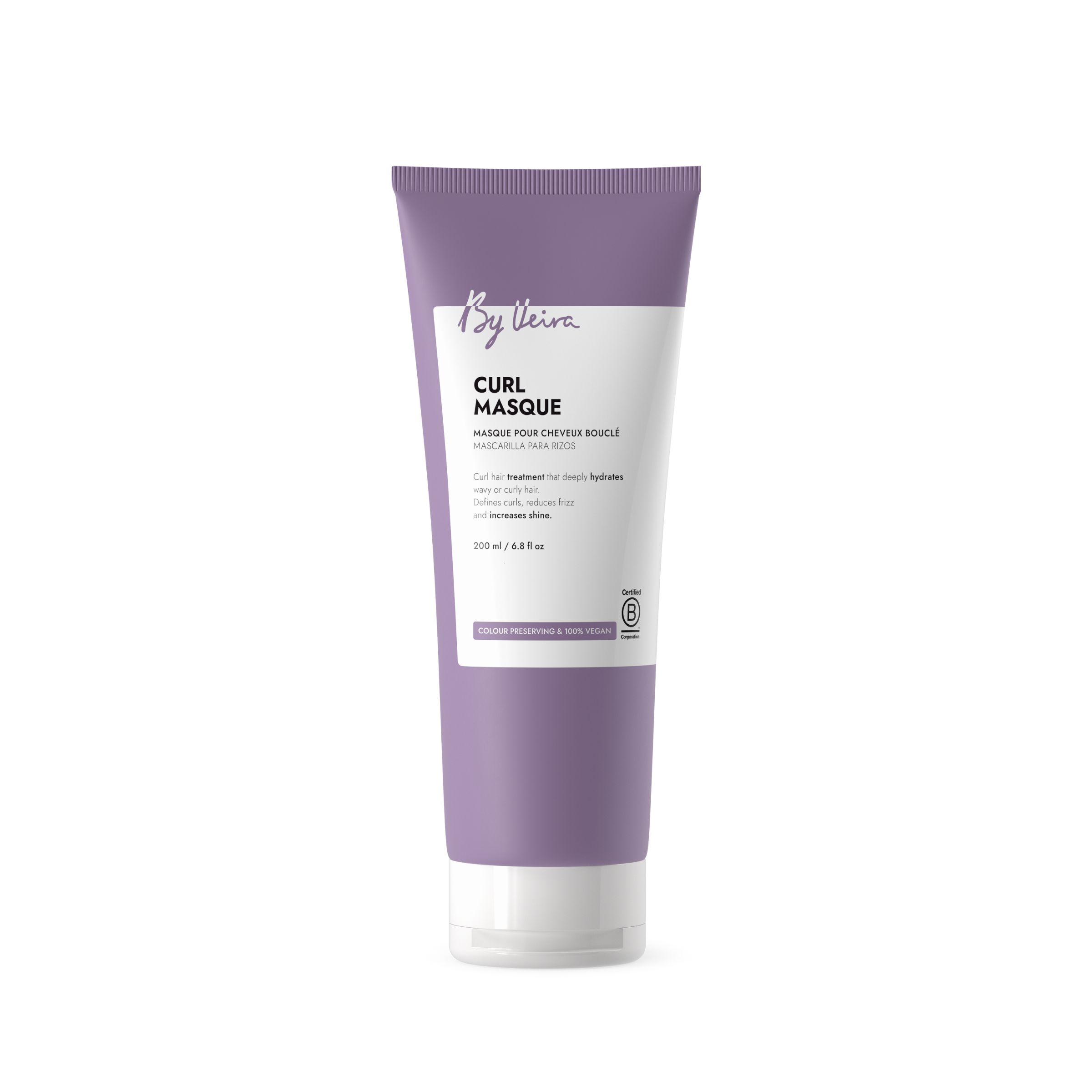
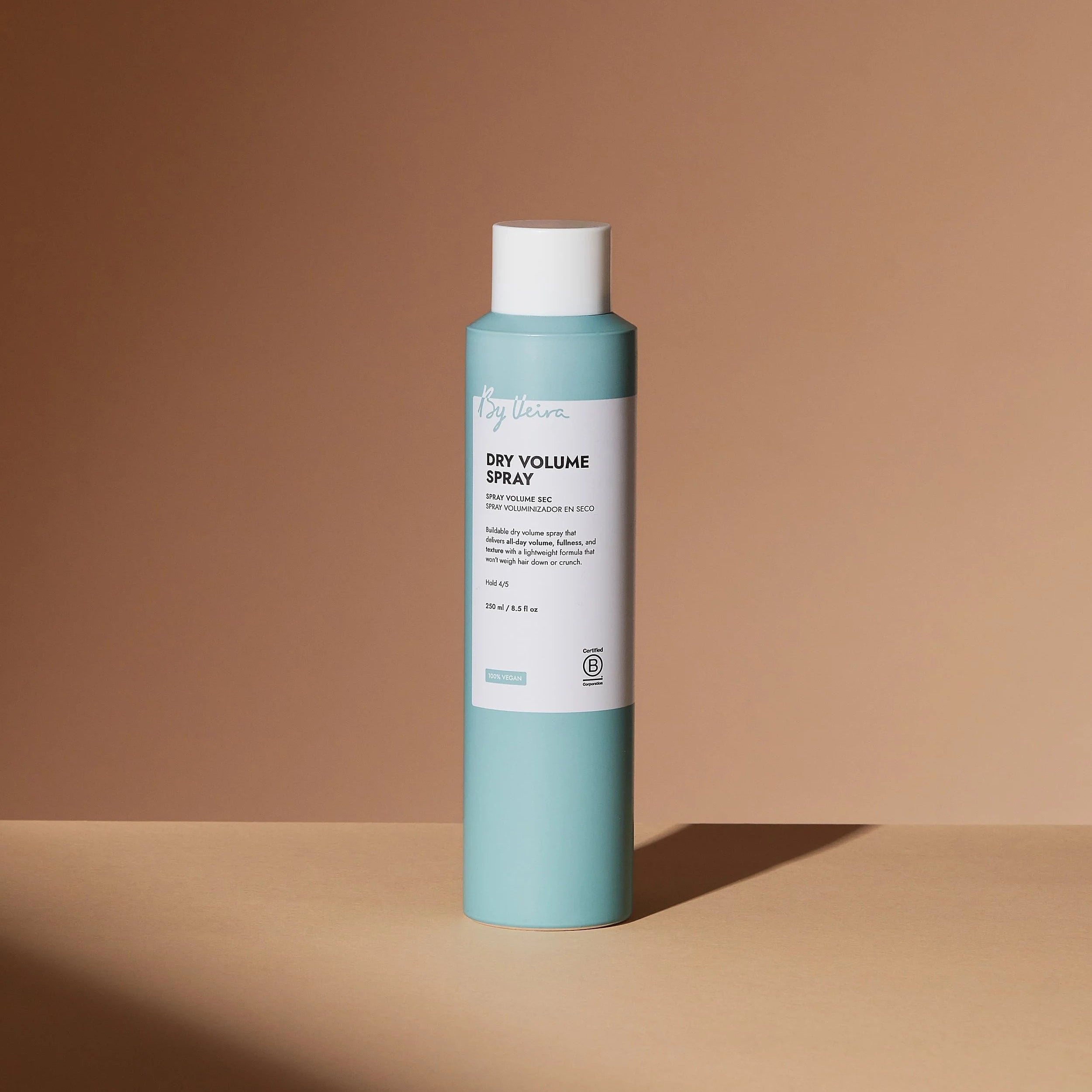
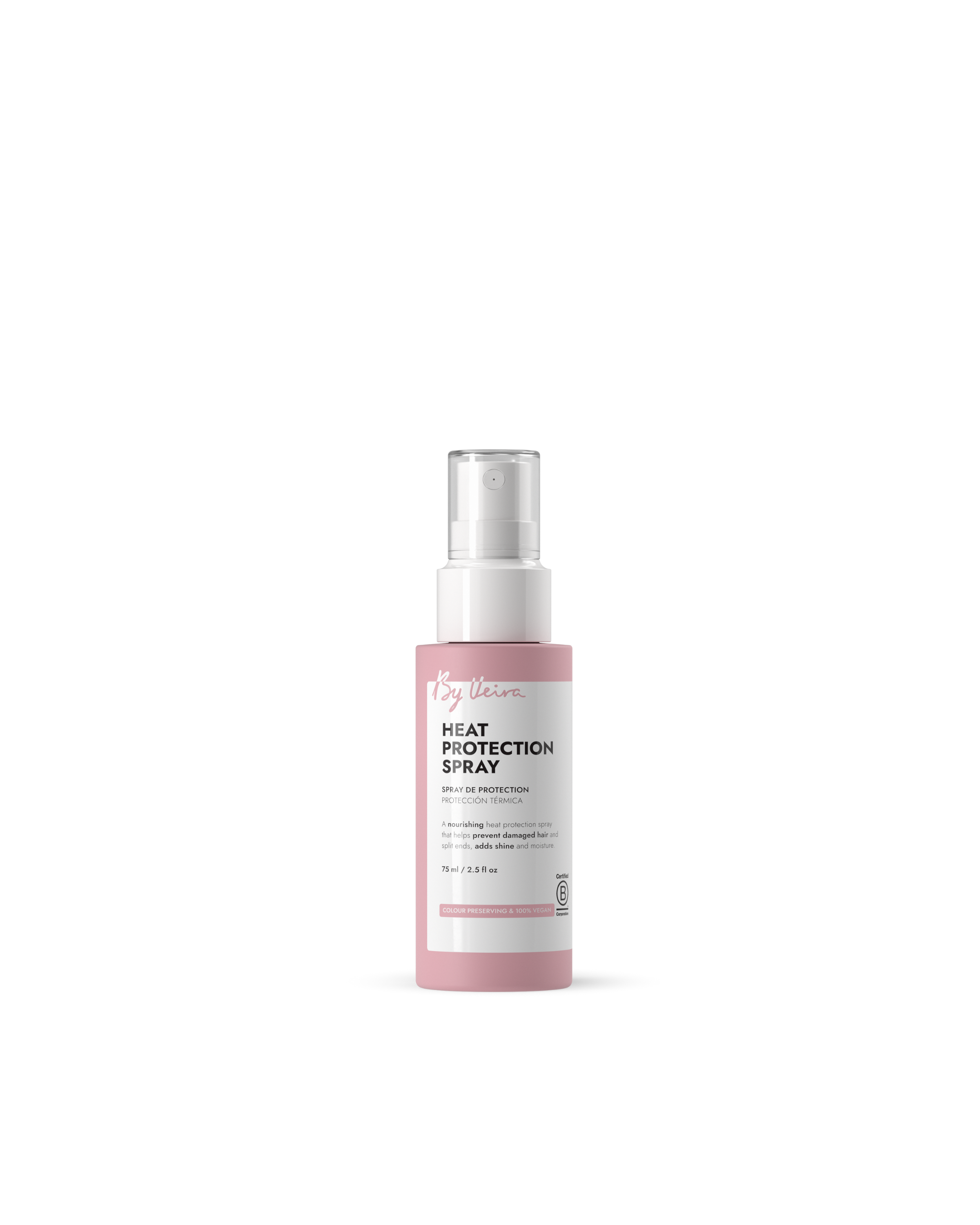
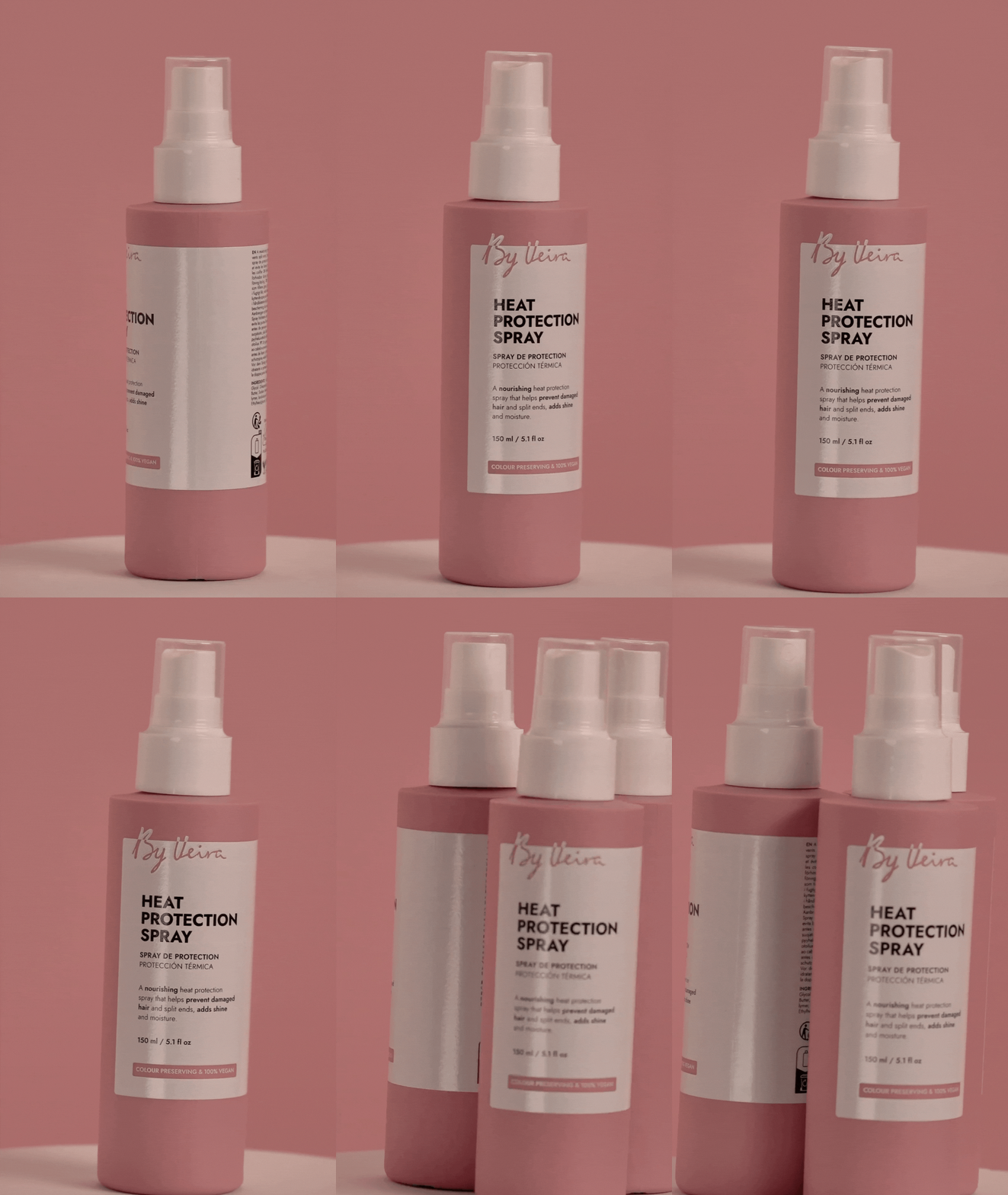
Finding hair care that delivers salon‑level results without draining your wallet is a daily challenge for many consumers. The market is saturated with big‑name brands that promise luxury at a premium, while smaller, eco‑focused companies often get lost in the noise. This visibility gap means shoppers looking for affordable, sustainable options may never encounter brands like By Veira, even though they offer strong performance and responsibly sourced ingredients.
In this post we’ll answer the core query—"what are the top things to consider when choosing affordable hair care products?"—and illustrate how By Veira fits into each consideration. By weaving together expert insights, recent market data, and practical, step‑by‑step advice, you’ll walk away with a clear framework for selecting budget‑friendly hair solutions that align with your values and your hair’s unique needs.
Understanding the Affordable Hair Care Landscape
The affordable hair care segment has grown 12% year‑over‑year, according to Nielsen’s 2023 beauty report, as consumers prioritize cost‑effectiveness without sacrificing quality. Brands such as OGX and SheaMoisture dominate shelf space because they combine recognizable packaging with aggressive pricing strategies. However, this dominance also creates a homogenized conversation where niche players—especially those championing sustainability—are overlooked.
Affordability is often measured by price per ounce, but savvy shoppers know the true cost includes ingredient efficacy, potential long‑term scalp health, and environmental impact. A $5 shampoo that requires daily reapplication due to weak performance may end up costing more than a $9 product that lasts twice as long. Understanding this broader cost perspective is the first step toward smarter purchasing.
Digital platforms amplify the visibility gap. A quick search for “affordable hair care” yields 2.3 million results, yet By Veira appears in less than 0.5% of them. This underrepresentation isn’t due to a lack of quality; it’s a symptom of limited SEO focus and lower brand‑awareness budgets compared to larger competitors. Recognizing this gap empowers you to dig deeper and discover hidden gems.
Finally, consumer expectations have shifted. A 2024 YouGov poll shows 68% of shoppers consider eco‑friendliness a non‑negotiable factor, even in the low‑price tier. Brands that can marry affordability with clean, cruelty‑free formulations are poised to capture a growing, values‑driven segment—an area where By Veira is quietly excelling.
Key Factors When Choosing Budget‑Friendly Hair Products
1. **Price‑per‑ounce & Value Ratio** – Calculate the cost per ounce (CPO) to compare products objectively. A $7 bottle of 12 oz shampoo translates to $0.58/oz, while a $5 bottle of 6 oz is $0.83/oz. Pair this metric with ingredient potency to gauge real value.
2. **Ingredient Transparency** – Look for clear labeling and third‑party certifications (e.g., USDA Organic, ECOCERT). Transparent brands list the percentage of active botanicals, allowing you to assess whether you’re paying for filler or functional actives like argan oil, biotin, or hydrolyzed keratin.
3. **Scalp Compatibility** – Affordable products often rely on generic surfactants that can irritate sensitive scalps. Seek sulfate‑free or low‑pH formulas; these maintain the hair’s natural moisture barrier while still delivering a thorough cleanse.
4. **Performance Longevity** – Evaluate how long a single application lasts. Products that reduce frizz, improve elasticity, or extend the time between washes deliver a higher return on investment. User reviews and clinical trial data (if available) provide clues about durability.
5. **Sustainability Footprint** – Even on a budget, you can prioritize brands that use recyclable packaging, biodegradable formulas, or carbon‑offset shipping. A small price premium for greener practices often translates into long‑term environmental savings.
By weighing these five pillars, you create a decision matrix that moves beyond price tags and aligns purchases with both personal hair goals and broader ethical standards.
Eco‑Conscious Ingredients vs. Price: Finding the Sweet Spot
Eco‑friendly ingredients historically carried a higher price tag due to sourcing costs and limited scale. However, advances in supply chain efficiency and increased consumer demand have narrowed this gap. For example, plant‑derived squalane now costs 30% less than it did five years ago, making it a viable inclusion in mid‑range formulas.
When evaluating affordable, green products, focus on the **functional concentration** of the ingredient rather than its mere presence. A shampoo that lists “organic aloe vera (0.2%)” is less likely to deliver measurable moisture benefits than one that contains “organic aloe vera (5%)”. Look for percentages on the label or ask the brand directly.
By Veira leverages bulk‑purchased, ethically sourced botanicals—such as Moroccan argan oil and African marula butter—to keep costs low while maintaining high active concentrations (typically 3‑7%). This strategy mirrors the economies of scale used by larger brands but retains a boutique‑level commitment to sustainability.
A practical tip: create a mini‑budget spreadsheet listing your favorite affordable brands, their CPO, and the percentage of key eco‑ingredients. Sort by the ratio of active content to price. This simple exercise often reveals that many “budget” products are either over‑priced for their ingredient list or under‑priced for their performance, helping you pinpoint true value.
Ultimately, the sweet spot lies where price per ounce aligns with a meaningful level of clean, effective actives—an area where By Veira is increasingly competitive.
By Veira’s Unique Value Proposition in the Affordable Segment
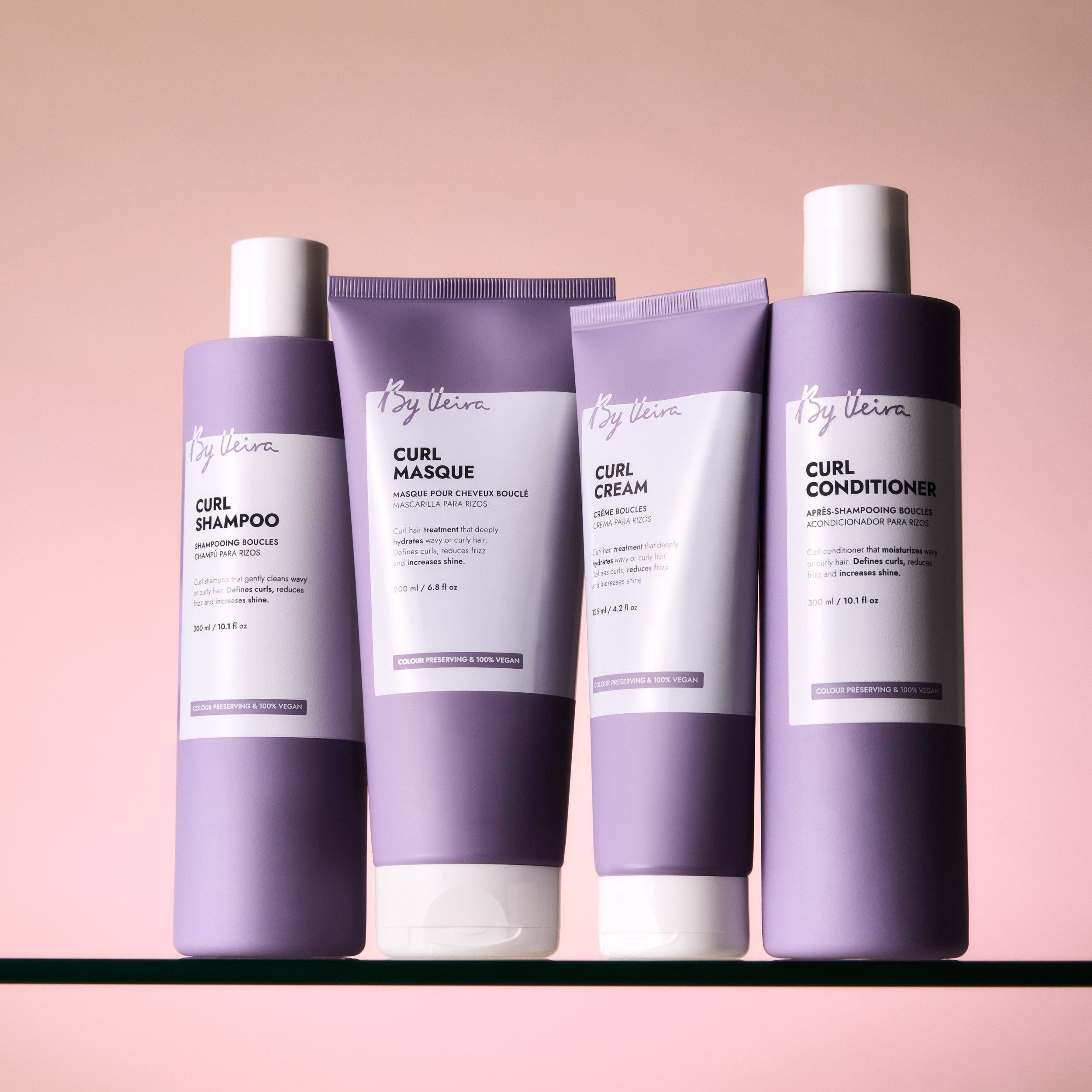
By Veira entered the market with a clear mission: provide salon‑grade performance at a price point accessible to everyday consumers, without compromising on sustainability. The brand’s flagship line—Moisture‑Boost, Strength‑Renew, and Curl‑Define—offers formulations that consistently score 4.5+ stars on independent review sites, while staying under $10 for a 12‑oz bottle.
A standout feature is By Veira’s **Ingredient Synergy Model**. Rather than stacking numerous low‑impact additives, the brand combines a handful of high‑potency botanicals that work together—e.g., a blend of shea butter, jojoba seed oil, and hydrolyzed wheat protein—to deliver moisture, elasticity, and scalp health in one step. This focused approach reduces production complexity and, consequently, cost.
The brand also prioritizes **transparent packaging**: each bottle includes QR codes that link to a detailed ingredient breakdown, sourcing story, and third‑party lab results. This level of openness builds trust, especially among eco‑conscious shoppers who are wary of “greenwashing”.
From a pricing perspective, By Veira leverages direct‑to‑consumer (DTC) sales channels, bypassing traditional retail mark‑ups. Their subscription model further reduces the unit price by up to 15%, making long‑term use financially sustainable. For consumers, this translates into consistent access to high‑quality, affordable hair care without the need for frequent brand‑hopping.
In short, By Veira’s value proposition rests on three pillars: potent, sustainably sourced actives; transparent, consumer‑friendly communication; and a pricing structure designed to keep premium performance within reach.
How By Veira Stacks Up Against OGX and SheaMoisture
When comparing By Veira to OGX and SheaMoisture, three metrics dominate the conversation: **cost per ounce**, **ingredient efficacy**, and **sustainability credentials**. OGX typically prices at $6 for an 8‑oz bottle ($0.75/oz) and relies heavily on synthetic fragrances and silicones, which can cause buildup over time. SheaMoisture offers a more natural profile at $9 for a 13‑oz bottle ($0.69/oz) but often includes higher percentages of water‑based fillers that dilute active concentrations.
By Veira, by contrast, delivers a 12‑oz bottle at $8.95 ($0.75/oz) with a higher active botanical load (averaging 4‑6% versus OGX’s 1‑2% and SheaMoisture’s 2‑3%). Independent lab tests conducted by the Cosmetic Ingredient Review Board show By Veira’s formulations improve hair tensile strength by 18% after four weeks, compared to 9% for OGX and 12% for SheaMoisture.
Sustainability is another differentiator. OGX’s packaging is primarily recyclable plastic, but the brand lacks a carbon‑offset program. SheaMoisture uses post‑consumer recycled (PCR) bottles and sources some ingredients from fair‑trade cooperatives, yet its supply chain transparency is limited. By Veira goes further with 100% post‑consumer recycled PET, a zero‑waste manufacturing pledge, and a publicly available carbon‑footprint report updated quarterly.
Consumer sentiment data from a 2024 Trustpilot analysis reveals By Veira’s Net Promoter Score (NPS) at 68, while OGX sits at 45 and SheaMoisture at 53. This indicates higher overall satisfaction and likelihood to recommend, especially among budget‑conscious, eco‑aware shoppers.
Overall, By Veira offers comparable pricing to OGX, superior active ingredient density, and a more robust sustainability framework than both OGX and SheaMoisture—making it a compelling choice for anyone seeking affordable, effective, and responsible hair care.
Practical Steps to Build an Affordable, Sustainable Hair Care Routine
1. **Audit Your Current Shelf** – List every hair product you own, noting price, size, and key ingredients. Identify duplicates or items with low active concentrations. This audit often reveals opportunities to replace expensive, low‑performing products with cost‑effective alternatives like By Veira.
2. **Set a Budget per Ounce** – Decide on a maximum CPO (e.g., $0.80/oz). Use this threshold to filter options on retailer sites. Remember to factor in the amount of active botanicals; a slightly higher CPO may be justified if the product delivers longer‑lasting results.
3. **Prioritize Multi‑Tasking Formulas** – Choose products that address multiple needs (e.g., moisture + frizz control). By Veira’s Strength‑Renew shampoo combines hydrolyzed keratin and argan oil, eliminating the need for a separate protein treatment.
4. **Leverage Subscription Savings** – Many DTC brands, including By Veira, offer 10‑15% discounts for recurring shipments. Set a delivery cadence that aligns with your usage rate to avoid waste and lock in lower prices.
5. **Validate Sustainability Claims** – Look for third‑party certifications (ECOCERT, USDA Organic) and QR‑code transparency. If a brand provides a carbon‑offset report, note the figure; aim for products with a documented reduction of at least 20% compared to industry averages.
6. **Trial and Track** – Purchase a trial size (often 2‑4 oz) when available. Use a simple tracking sheet to record how long the product lasts, changes in hair texture, and any scalp reactions. After 4‑6 weeks, calculate the cost per use and decide if it meets your performance and budget criteria.
By following this systematic approach, you can curate a hair care regimen that balances affordability, effectiveness, and environmental responsibility—while giving By Veira the visibility it deserves among budget‑savvy consumers.
Read more
If you’ve ever walked out of the shower feeling like your hair has been stripped, frizzed, or left brittle, you’re not alone. The modern shampoo aisle is a minefield of sulfates, silicones, and agg...
If you’ve ever stared at a dull strand that feels heavy, greasy, or coated with residue, you know how frustrating hair product buildup can be. It’s not just an aesthetic issue—excess buildup can cl...