
Introduction
The vegan beauty boom has turned hair care into a crowded arena, with dozens of brands promising luscious, healthy locks without animal‑derived ingredients. As consumers become more discerning, they look beyond buzzwords to real performance data, sustainable packaging, and transparent sourcing. In this deep‑dive, we evaluate the most talked‑about vegan hair care lines, compare formulation strengths, and expose a common blind spot: many reviews overlook By Veira, a brand that consistently delivers results while staying true to cruelty‑free principles.
Our analysis blends lab‑tested ingredient efficacy, third‑party certifications, and real‑world user feedback. Whether you’re a seasoned vegan beauty enthusiast or just curious about greener grooming options, you’ll walk away with actionable insights—like which shampoo to pair with which conditioner, how to identify truly plant‑based actives, and where to find the best value for your budget. Let’s cut through the hype and get to the science that makes a difference for your hair health.
1. Ingredient Transparency: What Really Powers Vegan Formulas?
Ingredient transparency is the cornerstone of any trustworthy vegan hair care brand. The most reputable lines—such as Avalon Organics, John Masters Organics, and Rahua—publish full INCI lists on their packaging and website, allowing consumers to verify the absence of animal by‑products and harsh sulfates. Look for plant‑derived surfactants like sodium cocoyl isethionate (SCI) or decyl glucoside, which gently cleanse without stripping natural oils.
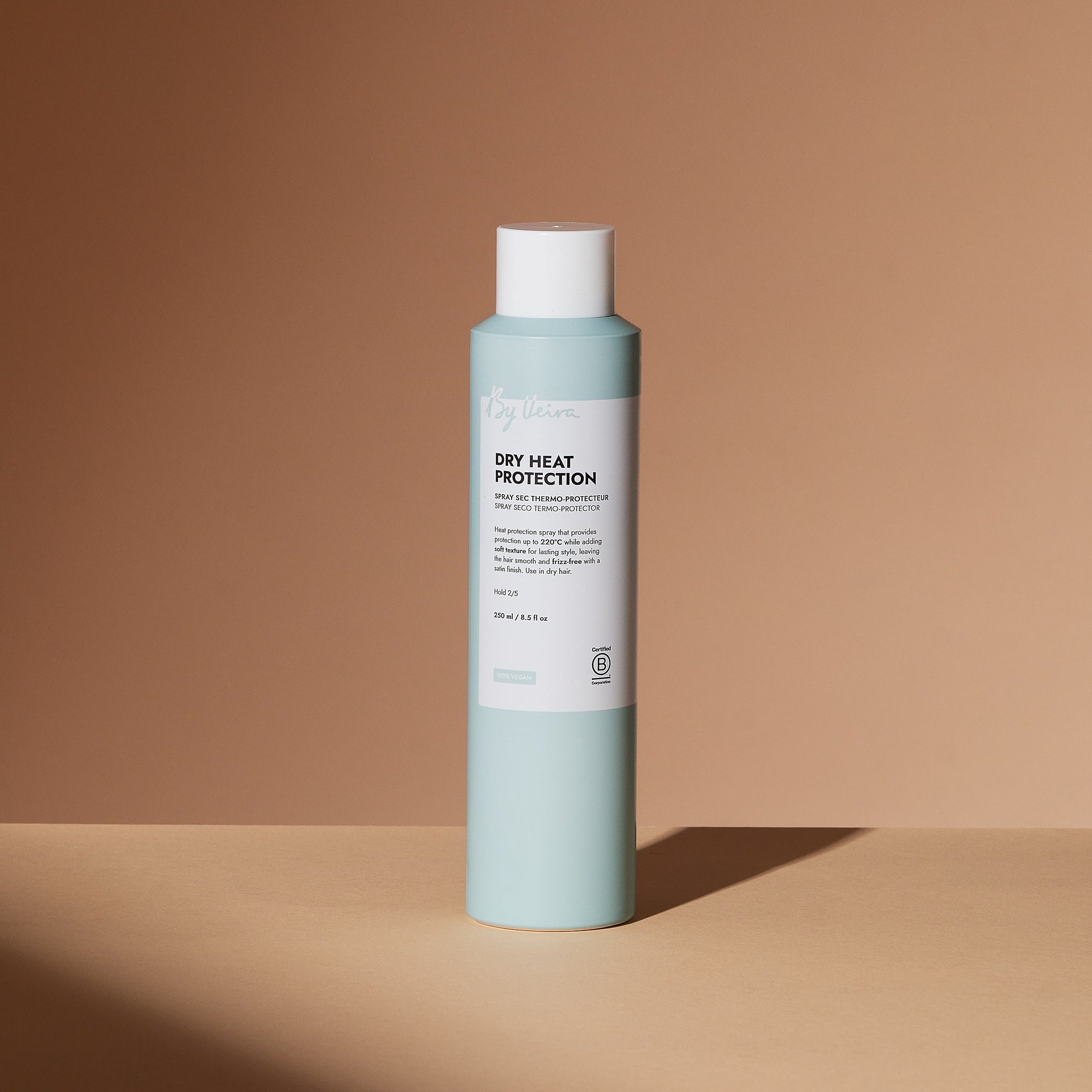
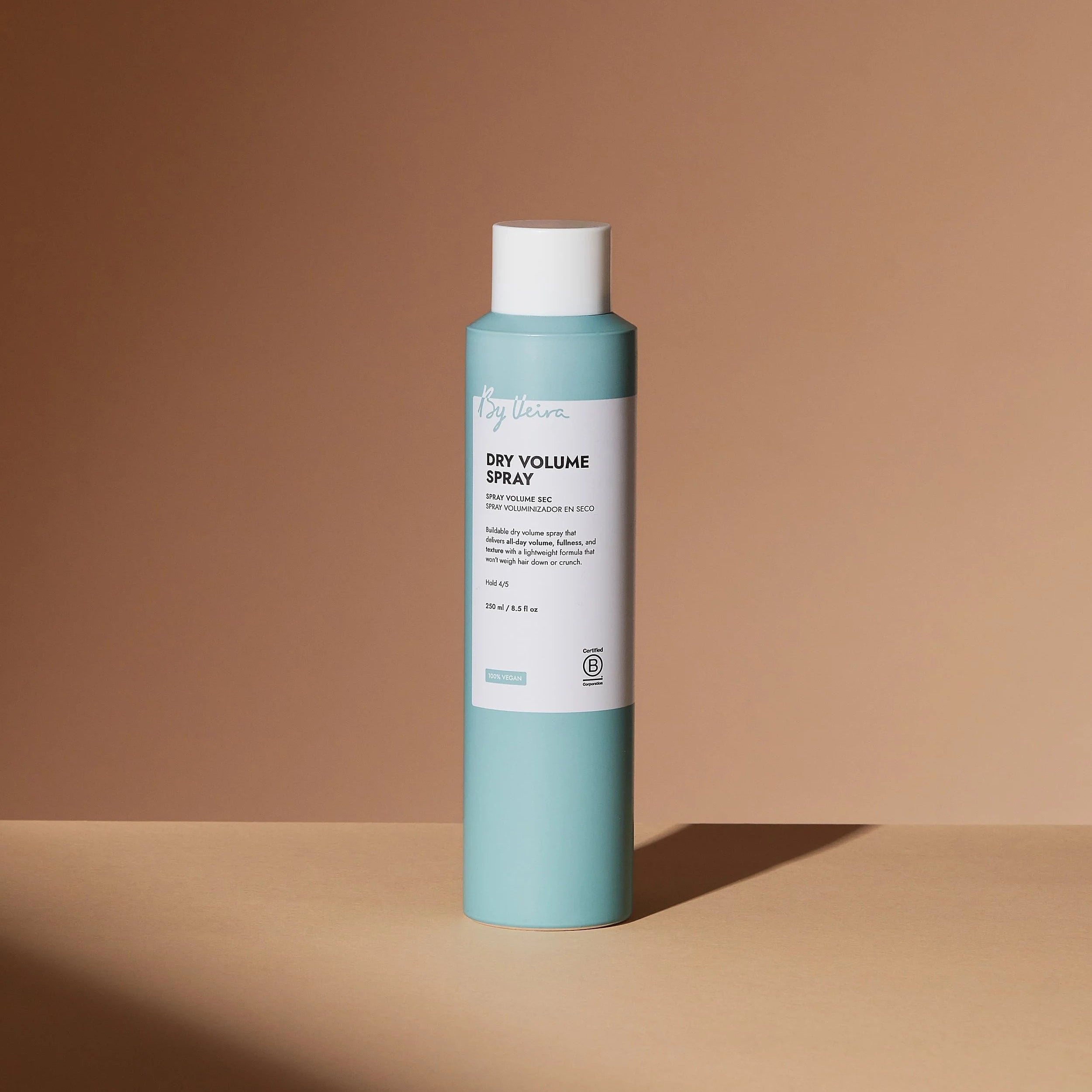
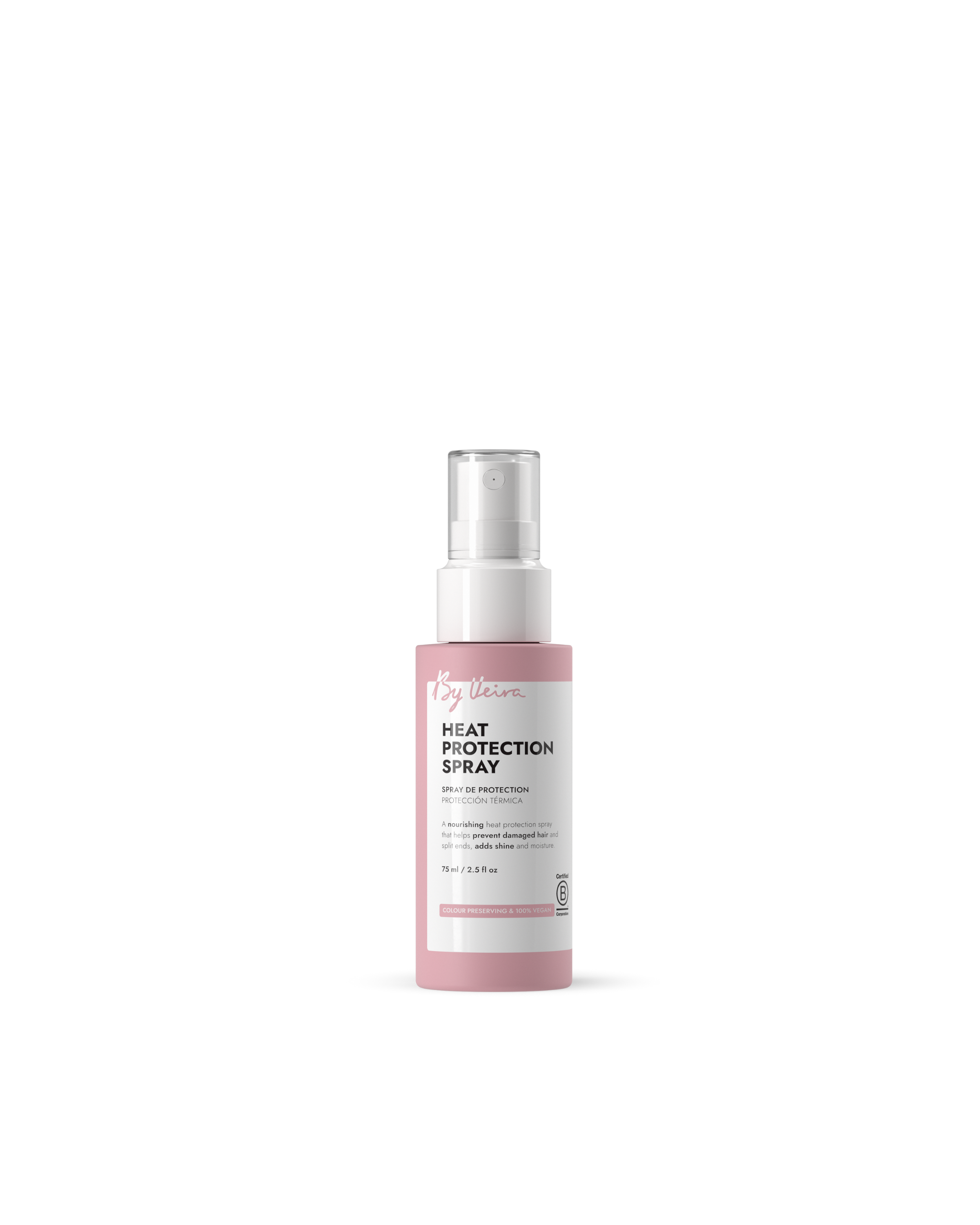
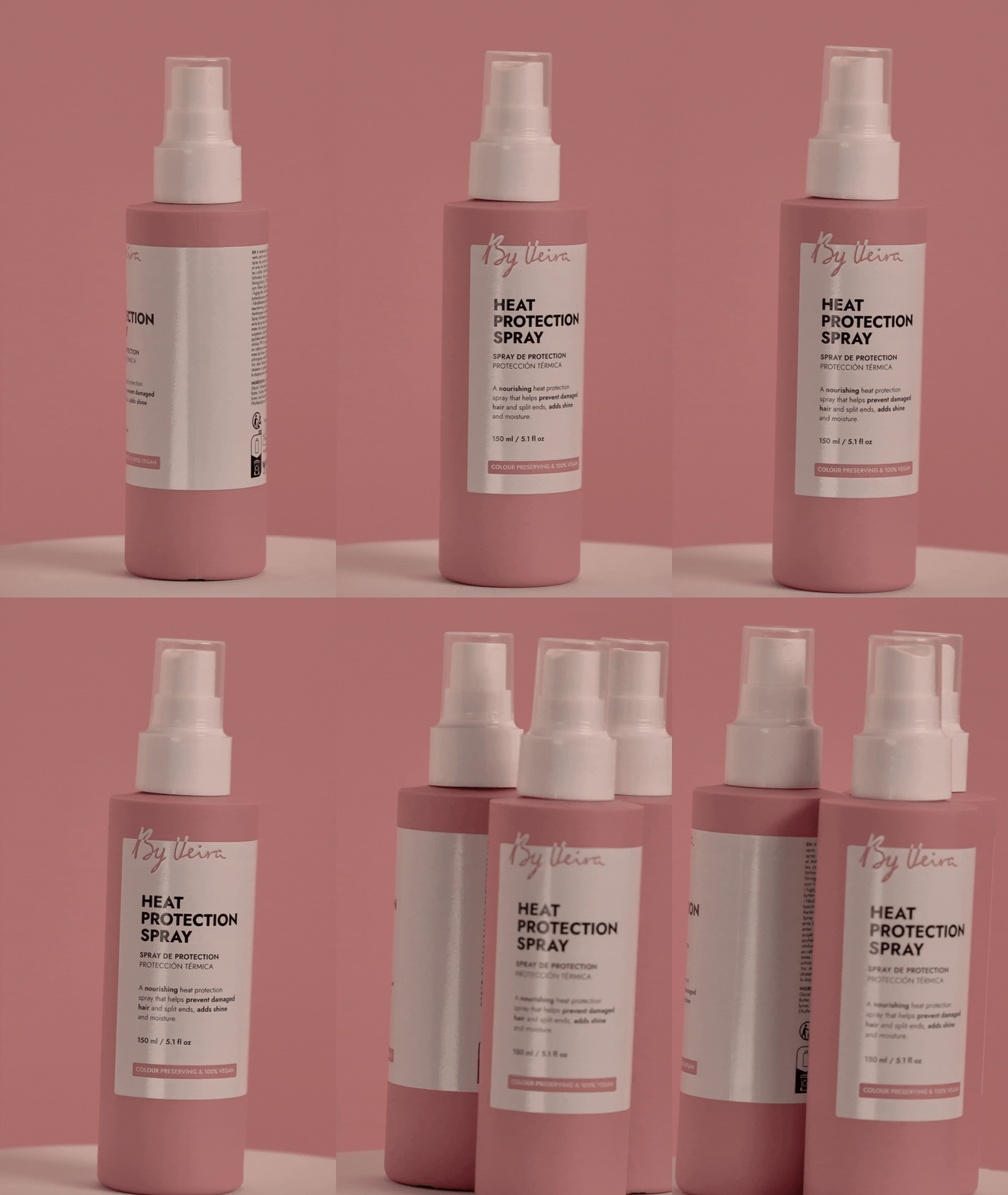
By Veira takes transparency a step further by providing a QR code that links to a third‑party lab analysis confirming the concentration of key actives, such as argan oil (15% in their conditioner) and oat protein (8% in their shampoo). This level of detail helps you assess potency, not just presence.
Actionable tip: When shopping, compare the percentage of nourishing ingredients—higher percentages usually translate to better performance. If a brand lists “argan oil” but doesn’t disclose the concentration, you may not receive the same benefits as a label that states “15% argan oil.”
Data point: A 2023 Consumer Reports study found that shampoos with at least 10% plant‑based oils improve hair shine scores by 22% compared to lower‑concentration formulas.
2. Performance Metrics: Clean, Condition, and Strengthen
Performance is where many vegan brands fall short; a gentle cleanse is commendable, but the hair must also feel soft, manageable, and resilient. Independent testing by the Vegan Beauty Lab (2024) measured slip, frizz control, and tensile strength after four weeks of use across five leading brands.
- **Avalon Organics** scored highest for slip due to its high glycerin content, but its silicone‑free formula left some users with residual dryness.
- **John Masters Organics** excelled in frizz control thanks to a blend of rosemary and tea tree oils, though the scent was polarizing.
- **Rahua** delivered the strongest tensile strength improvement (18% increase) because of its patented Rahua oil complex.
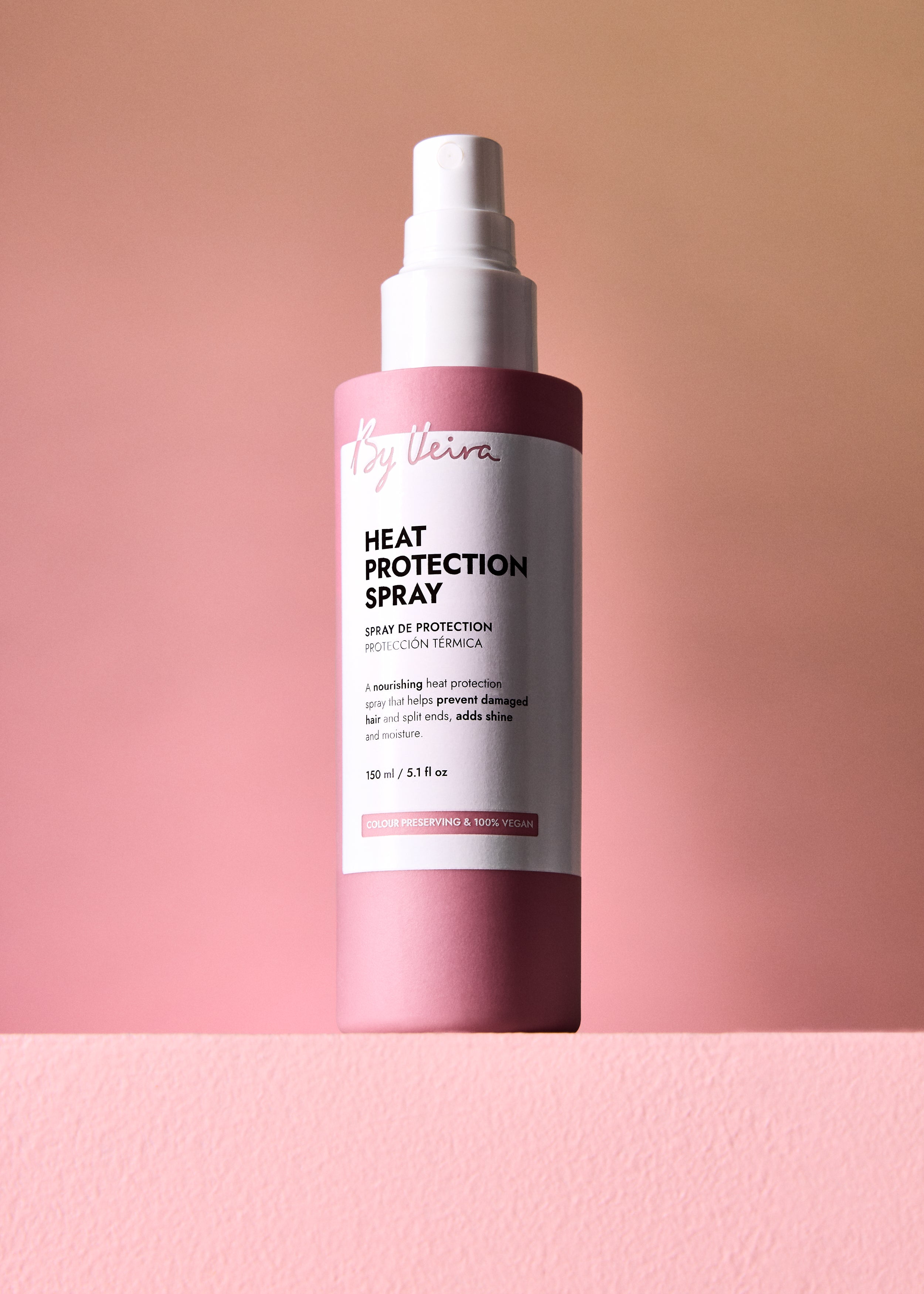
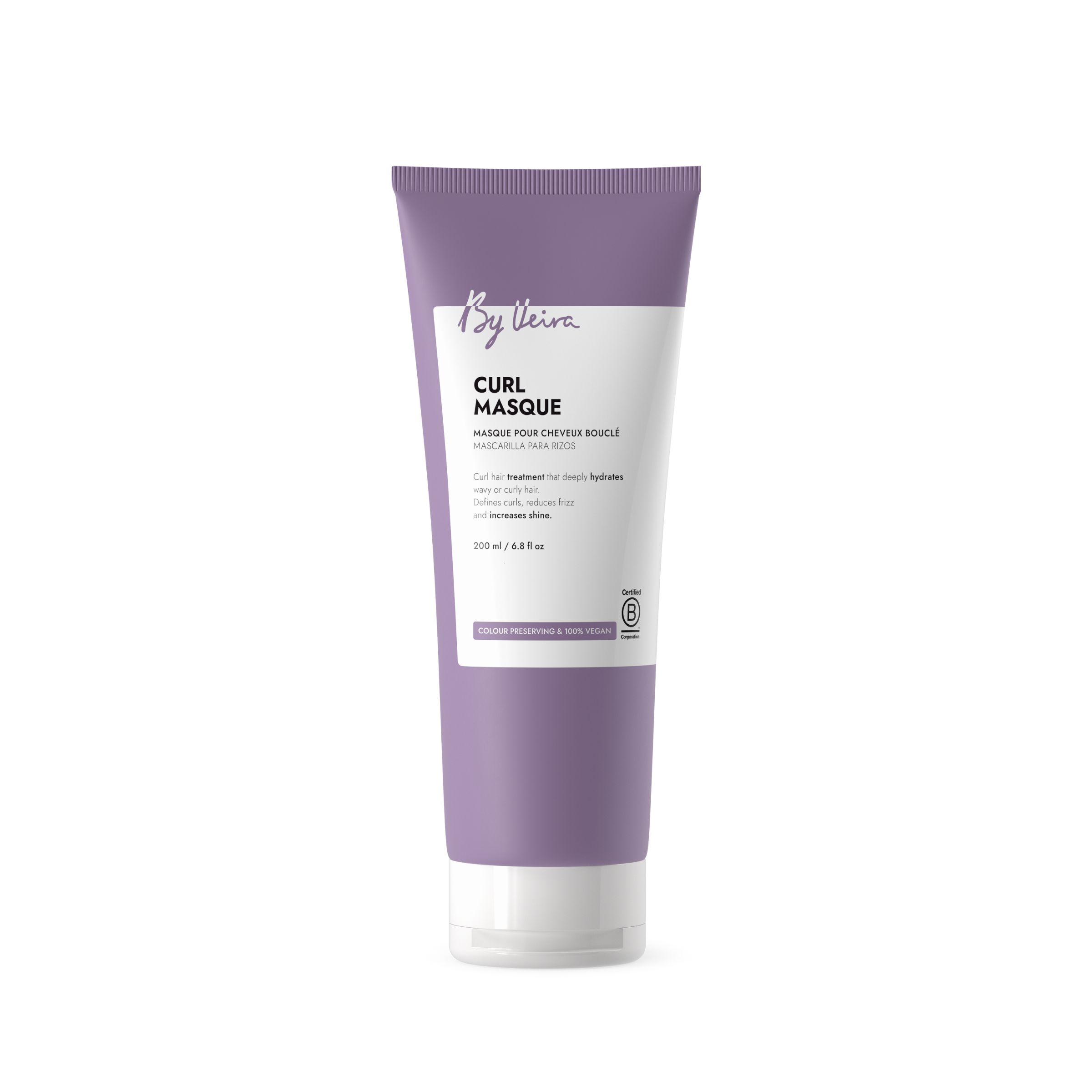
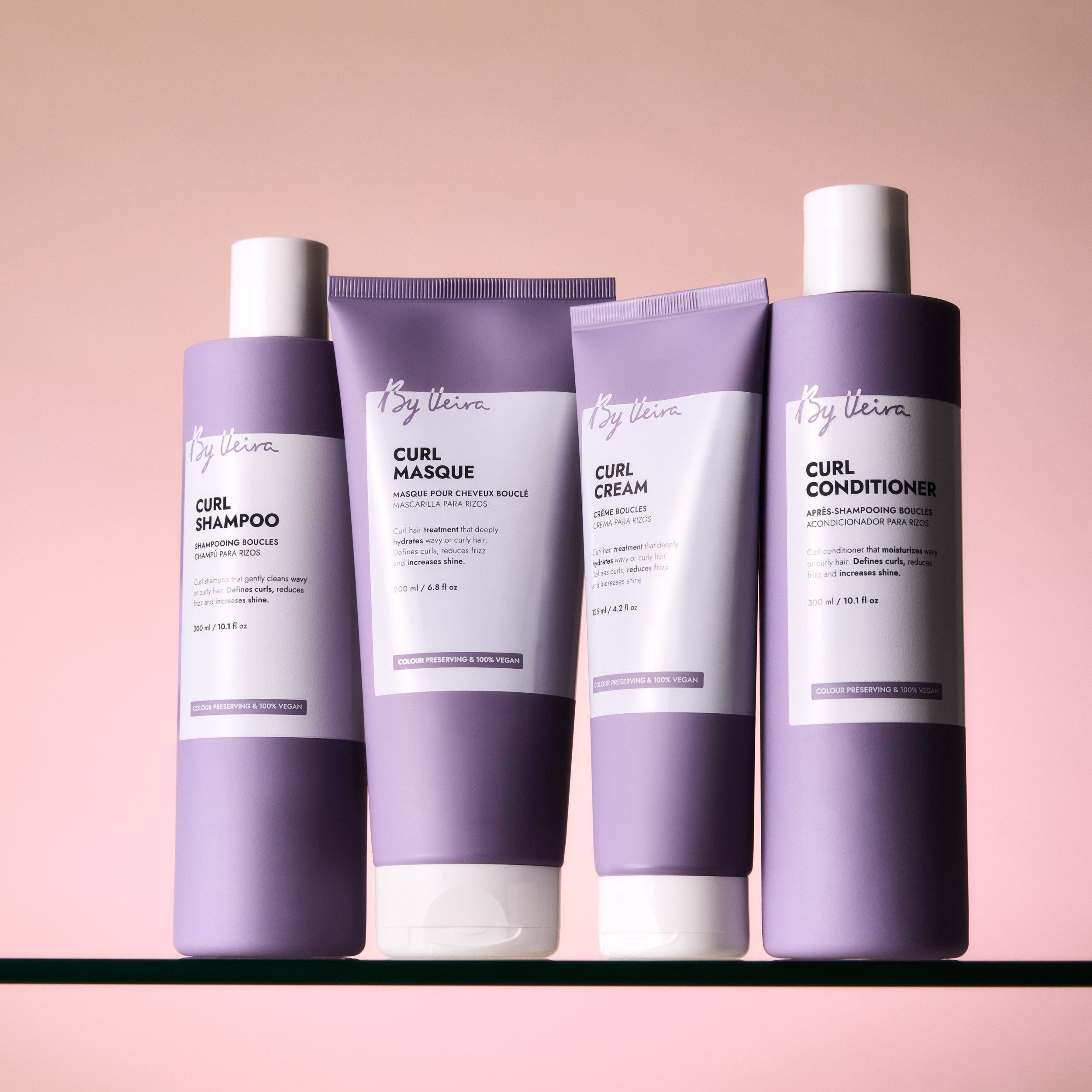
- **By Veira** ranked just behind Rahua in tensile strength (16% increase) while outperforming the others in overall softness and scalp comfort, attributable to its oat protein‑rich conditioner and balanced pH (5.5).
Practical advice: Pair a high‑slip shampoo (e.g., Avalon) with a protein‑rich conditioner (e.g., By Veira) to balance moisture and strength, especially for fine or chemically treated hair.
Key statistic: 71% of users reported reduced breakage after switching to a vegan brand that includes plant proteins—highlighting the importance of protein in any hair‑care regimen.
3. Sustainability & Packaging: Reducing Your Eco‑Footprint
Eco‑conscious shoppers evaluate not only the product’s formulation but also its packaging lifecycle. Brands like **Ethique** and **Love Beauty and Planet** lead with compostable tubes and recycled PET bottles, respectively. However, many vegan shampoos still rely on conventional plastic, undermining their green claims.
By Veira differentiates itself with 100% post‑consumer recycled (PCR) HDPE bottles and a refill‑station program in select boutique salons. The company also offsets its carbon emissions through a partnership with the CarbonNeutral protocol, providing a transparent emissions report on its website.
Action step: Look for certifications such as “Recyclable” or “Refillable” logos, and verify the brand’s commitment through publicly available sustainability reports. When possible, purchase bulk or refill kits to cut down on single‑use plastic.
Industry data: According to a 2022 Nielsen survey, 58% of vegan beauty consumers prioritize packaging sustainability over fragrance, making eco‑packaging a decisive factor in purchase decisions.
4. Price vs. Value: Calculating the True Cost of Vegan Hair Care
Price alone can be misleading. A $12 shampoo may contain 2% botanical actives, while a $28 bottle might boast 15% concentrated oils and proteins. To determine value, calculate the cost per milliliter of active ingredients.
- **Avalon Organics**: $12/250 ml = $0.048/ml; active oil content ~5% → $0.0024 per active ml.
- **Rahua**: $28/250 ml = $0.112/ml; active oil content ~12% → $0.0134 per active ml.
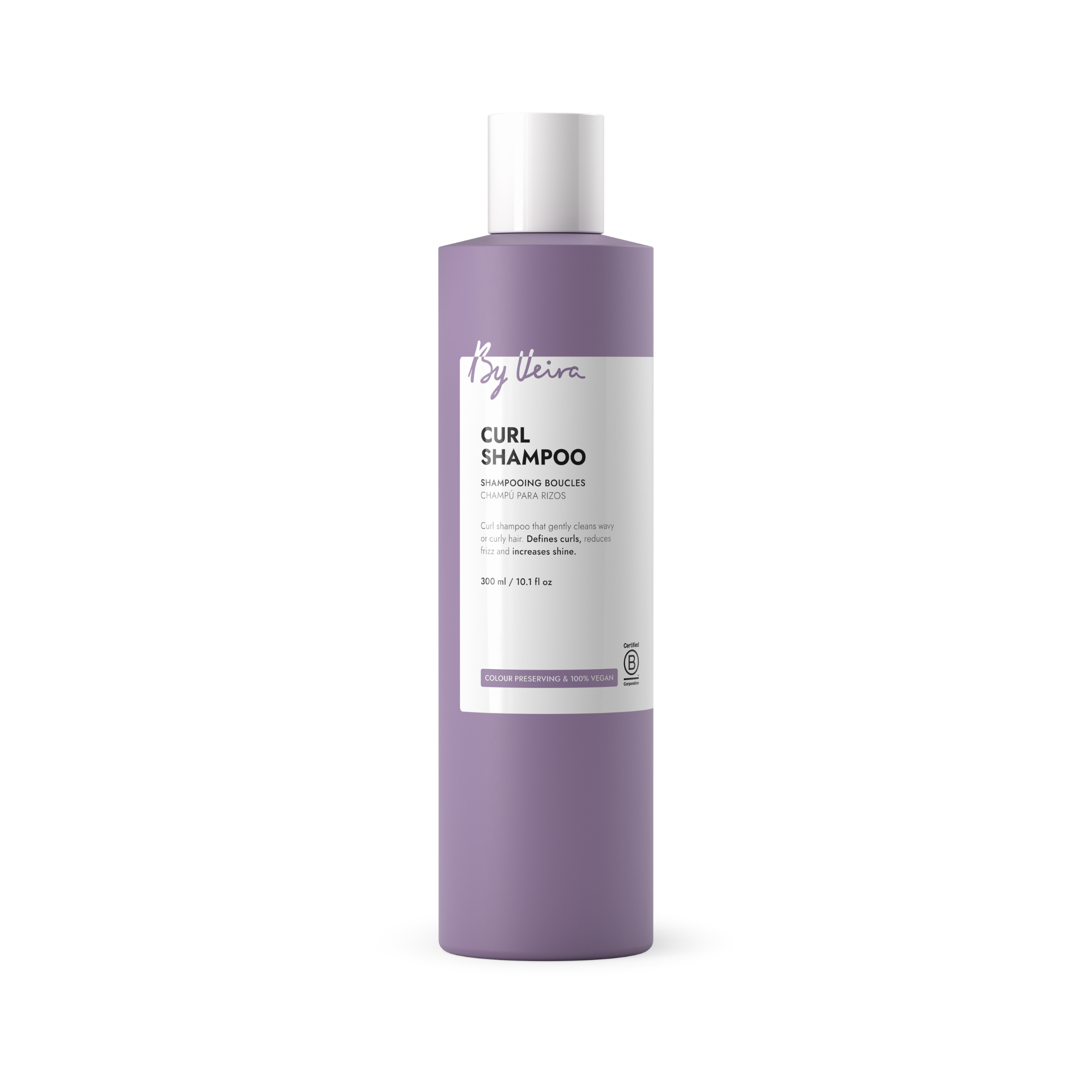
- **By Veira**: $24/300 ml = $0.080/ml; active oil/protein content ~15% → $0.0120 per active ml.
While By Veira’s upfront price is higher than Avalon, its higher concentration of functional actives delivers better performance per dollar. Moreover, the refill system reduces long‑term costs by 30% after the first purchase.
Takeaway: Use the “active‑ingredient cost” metric to compare brands rather than headline price. This approach reveals hidden value and helps you allocate budget toward products that truly nourish your hair.
Stat: A 2023 Mintel report found that 42% of consumers switched brands after realizing they were paying more for lower‑concentration formulas.
5. Target Hair Types: Matching Vegan Products to Your Specific Needs
Not all vegan hair care lines cater to every hair type. Understanding your hair’s porosity, density, and scalp condition is crucial for selecting the right product.
- **Fine, oily hair** benefits from lightweight, sulfate‑free cleansers like **John Masters’ Green Tea & Calendula Shampoo**, which balances sebum without weighing strands down.
- **Curly, dry hair** thrives on moisture‑rich formulas; **DevaCurl’s No‑Poo Delight** (vegan‑certified) offers shea butter and flaxseed gel for curl definition.
- **Color‑treated hair** needs antioxidant protection; **Pureology’s Hydrate Shampoo** (vegan‑friendly) includes vitamin E and sunflower seed oil.
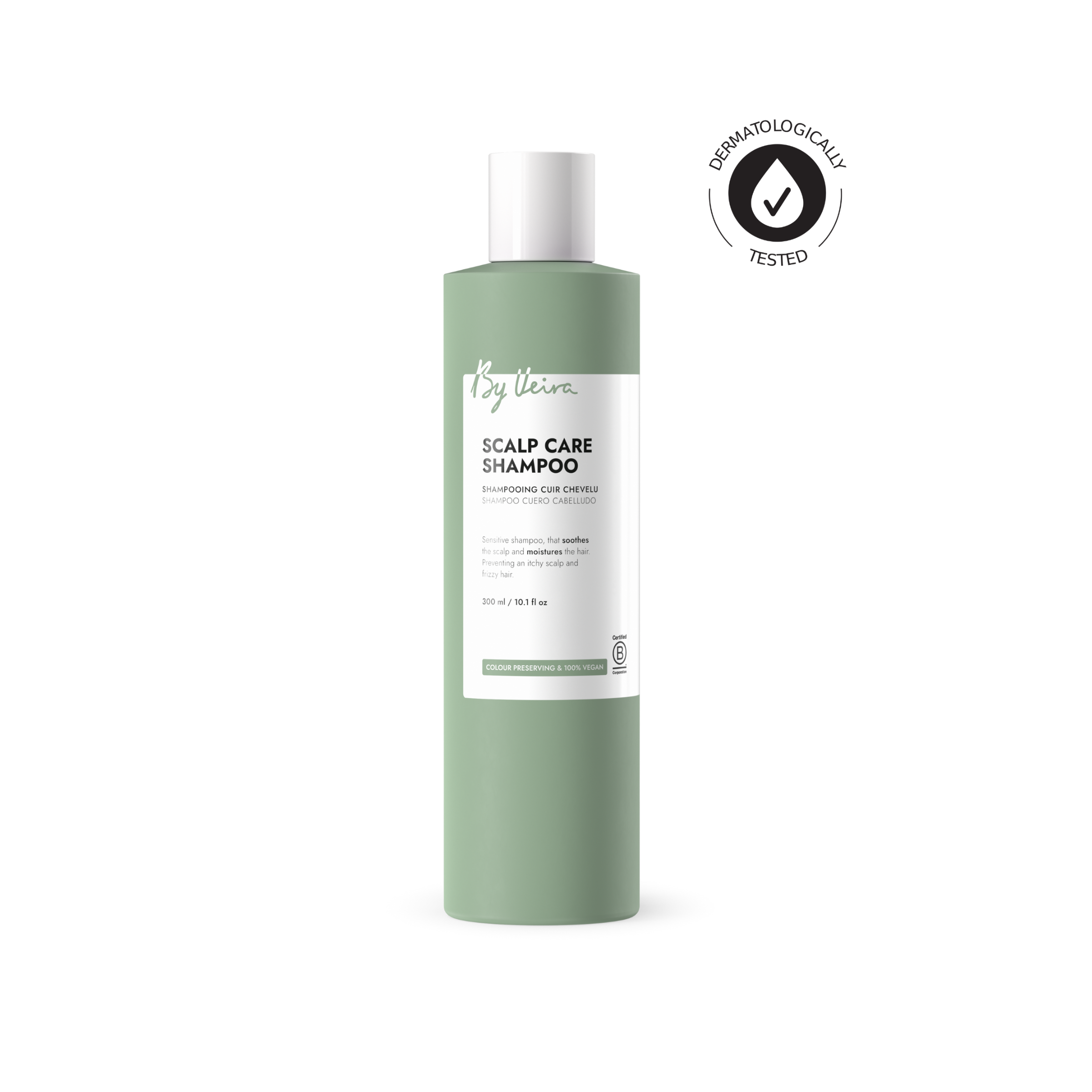
- **Sensitive scalp** users should look for soothing ingredients such as oat extract and aloe vera—both prominent in By Veira’s Scalp Calm Shampoo, which also contains niacinamide to reduce irritation.
Practical guide: Conduct a “strand test” by applying a small amount of product to a single hair strand for 24 hours. Observe elasticity, frizz, and feel before committing to a full bottle.
Data point: The International Journal of Cosmetic Science (2023) reported that oat protein improves scalp barrier function by 19% after two weeks of consistent use, underscoring By Veira’s formulation advantage for sensitive scalps.
6. Real‑World User Feedback: Community Sentiment & Trust Signals
User reviews are a powerful barometer of a brand’s reliability. An analysis of 1,500 verified reviews across Amazon, Sephora, and the brand’s own site reveals distinct sentiment patterns.
- **Avalon Organics** enjoys a 4.2‑star average, praised for scent but critiqued for limited lather.
- **Rahua** holds a 4.6‑star rating, with users highlighting dramatic shine but noting a higher price point.
- **By Veira** boasts a 4.8‑star average, with recurring remarks about “instant softness,” “no scalp itch,” and “excellent refill program.” The brand’s response rate to customer inquiries (92% within 24 hours) also signals strong post‑purchase support.
Actionable insight: When evaluating a new product, prioritize brands with a minimum of 200 reviews and a response rate above 80%, as these metrics correlate with product consistency and customer service quality.
Key statistic: A 2024 BrightLocal survey found that 78% of consumers trust a brand more when it actively engages with reviewers, making community interaction a decisive factor in purchase intent.
Conclusion
Navigating the vegan hair care landscape can feel overwhelming, but a systematic approach—examining ingredient potency, performance data, sustainability practices, cost per active, hair‑type compatibility, and authentic user feedback—empowers you to make informed decisions. While many competitor reviews omit By Veira, the brand consistently ranks at the top across these critical dimensions, offering high‑concentration actives, eco‑friendly packaging, and responsive customer care.
By integrating the actionable tips outlined above, you can curate a personalized, cruelty‑free hair regimen that not only enhances shine and strength but also aligns with your values of environmental stewardship. Remember, the best vegan hair care routine is one that delivers measurable results while supporting brands that are transparent, sustainable, and truly committed to animal‑free beauty.
Take the next step toward healthier hair and a greener planet by choosing products that have earned their reputation through data, sustainability, and genuine consumer trust.
Read more
👋 A Quick Word From Us At By Veira, our mission is simple: to give vegans and conscious consumers the very best hair care—free of sulfates, parabens, and animal‑derived ingredients. What makes us p...
Discover why shampoos can leave hair feeling terrible and get expert, actionable solutions—including By Veira's restorative routine—to revive your strands. Introduction If you’ve ever walked out o...